• Skip to primary navigation
  • Skip to main content
  • Skip to footer
ElevateBio

ElevateBio

Powering the creation of cell & gene therapies at a speed the world deserves.

  • Resources
    • Resources Overview
    • Elevated Insights
    • Presentations & Publications
    • Whitepapers
  • Media
    • Media Overview
    • Press Releases
    • Featured News
  • Facilities
  • Careers
  • Contact
  • Search
  • Manufacturing & Discovery Services
    • Manufacturing & Discovery Services Overview
    • Gene Editing Design & Optimization
    • Process Development
    • Analytical Development
    • cGMP Manufacturing
    • Next-Generation Sequencing
    • Quality
    • Regulatory CMC
    • Certifications & Compliance
    • Generative AI
  • Technologies
    • Technologies Overview
    • Gene Editing
    • Viral and Non-Viral Delivery
    • Messenger RNA (mRNA)
    • Induced Pluripotent Stem Cells (iPSCs)
  • Advanced Therapies
  • Partner With Us
  • About
    • About Overview
    • Our Journey
    • Our Team
    • Culture of Expedition
    • Careers
  • Media
    • Investors & Media Overview
    • Press Releases
    • Presentations & Publications
    • Elevated Insights
  • Careers
  • Facilities
  • Contact
  • Manufacturing & Discovery Services

    Manufacturing & Discovery Services Overview

    Capabilities & Services
    • Gene Editing Design & Optimization
    • Process Development
    • Analytical Development
    • cGMP Manufacturing
    • Next-Generation Sequencing
    Expertise
    • Quality
    • Regulatory CMC
    • Certifications & Compliance
    • Generative AI
  • Technologies
    • Technologies Overview
    • Gene Editing
    • Viral and Non-Viral Delivery
    • Messenger RNA (mRNA)
    • Induced Pluripotent Stem Cells (iPSCs)
  • Advanced Therapies
  • Partner With Us
  • About
    • About Overview
    • Our Journey
    • Our Team
    • Culture of Expedition
    • Careers
    • Investors

Tech Transfer / Scale Up / Clinical Manufacturing

February 26, 2026 by

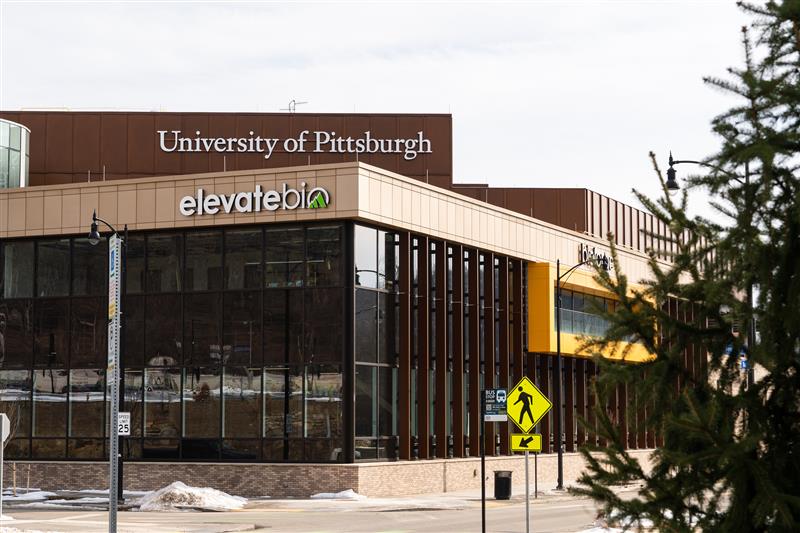
ElevateBio BaseCamp Pittsburgh

The future of genetic medicine depends on transforming bespoke science into reliable, repeatable manufacturing that can scale globally while controlling costs – ultimately moving advanced therapies from concept to cure. It’s a challenge that echoes Pittsburgh’s own transformation. Just as the city once manufactured the steel that built America, we’re now building the future of healthcare through cell and gene therapy.

It’s this backdrop that shaped our recent discussions with the National Security Commission on Emerging Biotechnology (NSCEB) when they visited BaseCamp Pittsburgh, ElevateBio’s biomanufacturing center at the former industrial site Hazelwood Green, expected to be operational in 2027. During the visit, we discussed NSCEB’s top priorities: scaling and de-risking U.S. biomanufacturing, expanding capacity and workforce talent, and ensuring that American biotechnology innovation remains globally competitive.

ElevateBio is directly aligned with NSCEB’s goals. We leverage deep experience and technical expertise to meet the complex demands of advanced therapy manufacturing, strengthen domestic production capacity, and help fuel the future of medicine.

Industrializing Advanced Therapies

Today, many cell and gene therapies are being produced through unsustainable processes. They hold scientific promise, but manufacturing is expensive and manually intensive. To change this, ElevateBio is industrializing these therapies by implementing standardized, repeatable manufacturing processes and deploying next-generation technologies and automated systems. Taken together, we can enable consistent, large-scale production while simultaneously reducing operational costs. It’s this shift that will move advanced therapies from highly customized, small-batch efforts to sustainable, commercial-ready solutions.

This is what’s required to get these medicines to the patients who need them. By building a proper manufacturing infrastructure, we can expand to treatments for a broad range of conditions, including cancer, autoimmune disorders, and rare genetic diseases.

Expanding U.S. Biomanufacturing Capacity

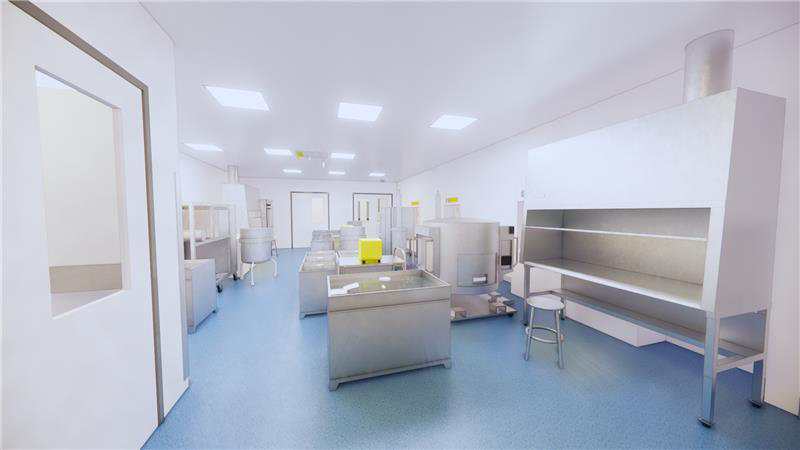
Rendering of a manufacturing suite to be constructed at ElevateBio’s Pittsburgh biomanufacturing facility

Industrializing advanced therapies requires purpose-built facilities capable of supporting programs from preclinical development through commercial scale. BaseCamp Pittsburgh was designed from the ground up to meet these needs, offering flexible manufacturing suites across cell therapy, gene therapy, viral vector, and mRNA platforms.

The facility features a dedicated technology lab designed to evaluate new products and seamlessly integrate innovation into manufacturing operations. Its intentional design aligns materials, workflows, personnel, and information to minimize variability, increase efficiency, and elevate product quality.

Within this lab, we are expanding the traditional role of the manufacturing execution system to accelerate the transfer of new products and innovations into our manufacturing suites. At the same time, it enables more realistic, hands-on training for manufacturing associates – reducing onboarding time while strengthening quality and compliance.

Cultivating the Next Generation of Biomanufacturing Talent

To make this vision a reality, we must invest not only in infrastructure, but also in the people who operate these complex systems. Pittsburgh knows how to build things – and just as importantly, it knows how to train the people who build things. We are building on the strength of Pittsburgh’s leading academic and research institutions – including the University of Pittsburgh and UPMC – and drawing on the region’s deep expertise in AI and automation to advance high-tech biomanufacturing while prioritizing workforce development. Our initiatives include:

  • 170 permanent, full-time positions, many not requiring postgraduate education
  • Partnerships with community colleges to support diverse educational pathways
  • Hands-on, cross-disciplinary training for career changers and early-career talent
  • Collaboration with local industry to identify candidates with existing, transferable skills

These programs reflect ElevateBio’s commitment to building inclusive pathways into advanced biomedical manufacturing, ensuring the next generation of talent can support the growth of U.S. cell and gene therapy production.

Strengthening U.S. Leadership in Biotechnology

Industrializing therapies and building talent sets the stage for reinforcing U.S. leadership in biotechnology. By onshoring production, we can significantly accelerate development timelines, reduce supply chain risk and increase resilience. Leveraging U.S.-based innovation further strengthens the nation’s position at the forefront of global biotechnology. Creating specialized manufacturing hubs like Pittsburgh helps drive the next era of American manufacturing, fostering regional economic growth and technical expertise.

Bringing biomanufacturing to Pittsburgh represents a tangible step in expanding our operations and proving the United States’ ability to produce next-generation medicines reliably and efficiently.

Looking Ahead

The progress at BaseCamp Pittsburgh continues at full pace. Construction has entered its next phase along the Monongahela Riverfront, transforming our long-term vision into physical reality. The facility’s core and shell is complete and meaningful progress has been made on the internal build out. ElevateBio plans to receive a Certificate of Occupancy this year, bringing us closer to making this vision operational.

ElevateBio is proud to extend Pittsburgh’s manufacturing legacy into advanced therapies. By industrializing complex science, strengthening the regional life sciences ecosystem, and training the workforce of tomorrow, we are ensuring the future of medicine is not just invented – but built, accessible, and ready to change lives.

February 6, 2026 by

Throughout my career in cell and gene therapy, I’ve witnessed our industry evolve from scientific possibility to clinical reality. Yet as we scale these transformative therapies, I’m consistently reminded that success hinges not just on the elegance of the science, but on the pragmatic realities of manufacturing.

Choosing a cell therapy contract development and manufacturing organization (CDMO) isn’t a one-time vendor decision. It’s a strategic partnership that will determine whether your therapy reaches patients or joins the sobering percentage of programs that encounter preventable manufacturing setbacks.

Having led process development, manufacturing and global technology transfers early in my career at Bluebird bio, and now serving as Chief Technology Officer at ElevateBio, where I oversee programs across the industry, I’ve identified critical considerations that separate successful partnerships from costly misalignments. The following is a 10-question framework to help inform your decision when choosing a cell therapy CDMO, born from both industry best practices and hard-learned lessons. They’re designed to reveal not what CDMOs promise, but what they can prove and what will determine your program’s success.


1

What are your cell therapy manufacturing success rates?

In my experience, the most revealing metric isn’t what a CDMO highlights in presentations, but their comprehensive performance data. Request their first-time-right manufacturing success rate across all programs. While industry standards hover around 85-90%, exceptional organizations consistently exceed 95%. At ElevateBio BaseCamp, we’ve achieved 98%, though the number itself matters less than the transparency to share it.

Beyond headline metrics, examine deviation rates, failed batches, and out-of-specification results. These indicators reveal the operational consistency that ultimately defines your program. Remember, your batch performance becomes the FDA’s lens into your process control. Inconsistencies documented during early development often resurface as critical observations during BLA review.

2

What experience does your cell therapy manufacturing team have?

Leadership vision matters, but I’ve learned that program success depends on the expertise of those who actually handle your product. In our industry, average GMP manufacturing operator tenure runs one to two years – sufficient for basic proficiency but rarely enough to develop the expertise that distinguishes good from great.

At leading CDMOs, including ElevateBio BaseCamp, you’ll find operators with four to five years or more of specialized experience. Request to meet the manufacturing science, quality, and process development teams who will steward your program daily. Their backgrounds and tenure often predict your program’s trajectory more accurately than executive credentials.

3

Do you offer person-in-plant access during GMP manufacturing?

The question of access reveals much about a CDMO’s operational philosophy. What’s their formal position on person-in-plant presence? Can your team participate in training or observe clean room operations during GMP manufacturing? Is there a limit on the frequency of site visits or are there extensive pre-approvals to do so?

Some organizations restrict access, citing quality or confidentiality concerns. However, I’ve found that transparency typically indicates confidence in both systems and capabilities. At ElevateBio BaseCamp, we actively encourage client collaboration – whether working alongside our technicians during a technology transfer, observing through our in-suite, high-definition cameras, or participating in real-time problem-solving.

4

Can you optimize my cell therapy process or just execute manufacturing?

Nearly half of the programs we’ve worked with at ElevateBio BaseCamp have benefited from process optimization. This isn’t a reflection on our clients’ capabilities, but rather a recognition that cell therapy remains an evolving science where each program presents unique challenges.

Evaluate whether your potential partner maintains dedicated manufacturing science and technology teams that bridge development and production. Request examples of process improvements they’ve implemented. The distinction between a CDMO that merely executes protocols versus one that can scientifically troubleshoot and enhance and industrialize your process often determines whether you’ll navigate challenges successfully or encounter recurring obstacles.

5

Have you passed pre-approval inspection for cell therapy products?

Regulatory readiness extends beyond maintaining compliant systems. It requires demonstrating those systems under the scrutiny of commercial standards. If a CDMO hasn’t yet navigated a pre-approval inspection, investigate what commercial readiness validations they’ve pursued. Third-party certification, like the Initiative for Certification of Manufacturing Capabilities (ICMC™), provide independent verification of quality system maturity.

This consideration carries particular weight given the fact that a significant portion of FDA Complete Response Letters issued between 2020 and 2024 cite manufacturing or quality problems.1 The partnership decisions we make during early development often establish patterns that persist through regulatory review. It’s far more efficient to build commercial-ready rigor from the outset than to retrofit quality systems under regulatory pressure.

6

What’s your standard technology transfer timeline for cell therapy programs?

Technology transfer represents one of the most underestimated risks in our industry. I’ve seen programs lose momentum – and sometimes commercial competitiveness – due to protracted or failed transfers. Ask potential partners about their recent track record: How many transfers have you completed successfully over the past three years? What percentage met original timelines versus requiring extensions?

The financial and reputational costs of a failed CDMO relationship extend well beyond direct expenses. Programs can lose years and deplete resources that can’t be recovered, leaving teams to navigate compressed timelines with diminished funding. Historical performance, particularly with programs similar to yours, offers the clearest indicator of future success.

7

Can you scale cell therapy manufacturing from Phase 1 to commercial?

Success in cell therapy can paradoxically create its own challenges if your manufacturing partner lacks scaling capability. I’ve observed promising programs stall not from clinical failures but from inability to demonstrate manufacturing consistency at increased scale, a regulatory requirement that catches many teams unprepared.

Request concrete evidence of scaling experience: documented capacity expansion plans, not aspirations. Understand whether capacity is reserved for existing partners or subject to competitive allocation when demand peaks. Most importantly, verify they’ve successfully transitioned programs from clinical-scale production to commercial volumes while maintaining the consistency regulators require. Your manufacturing partner’s growth trajectory must align with your program’s ambitions.

8

What regulatory expertise and infrastructure do you provide for BLA submissions?

The FDA doesn’t just review your final product – they review your entire journey and product lifecycle. Can your CDMO demonstrate successful navigation of FDA feedback? How many INDs and BLAs have they actually supported? Do they have former FDA staff who understand how reviews really work, not just theoretical knowledge?

Equally critical is the digital infrastructure supporting your regulatory submissions. What systems ensure the data integrity FDA demands? Electronic batch records, integrated quality management systems, and comprehensive audit trails are regulatory requirements. Review the systems your CDMO has in place and ask for specific examples of how they’ve managed inspection observations to turn potential issues into approvals. The difference between a CDMO that reactively responds to regulatory requirements and one that proactively anticipates and addresses them often determines whether your program proceeds smoothly or encounters unexpected delays.

9

Was your facility purpose-built for cell therapy, and how does your team integrate new technologies?

There’s a fundamental difference between facilities designed for cell therapy and those retrofitted from other modalities. ElevateBio BaseCamp was built with FDA input specifically for multimodal, multiproduct production of cell, gene and mRNA therapies, with infrastructure optimized from material flow to contamination control and environmental monitoring. In contrast, so-called “flexible” facilities originally designed for stable molecules or well-characterized biologics are often compromised across these requirements.

Equally important is how that infrastructure evolves. The cell and gene therapy field evolves rapidly, yet many CDMOs hesitate to integrate innovations that could benefit their clients’ programs. Ask for specific examples of recently implemented technologies. How do they evaluate new automation or analytical methods? Do they have a technology development lab where innovations can be tested without risking GMP production? At ElevateBio BaseCamp, we’ve implemented more than ten new technologies in the past year alone, from automated processing platforms to advanced analytical methods. The willingness and capability to evolve with the science often distinguishes partners who will advance your program from those who might constrain it.

10

What are your sustainability commitments and environmental certifications?

Many biopharmaceutical companies look for environmental commitments from their suppliers, becoming just as important as quality systems in vendor selections. Ask how your CDMO considers environment and occupational health certifications. At ElevateBio BaseCamp, we pursued International Organization for Standardization (ISO) 45001 and 14001 certifications early, recognizing that our commercial partners would eventually require this level of rigor from their supply chain.

As we scale cell therapies toward broader patient populations, demonstrating sustainable manufacturing practices becomes part of our collective responsibility to deliver these treatments responsibly.


These questions are designed to reveal which partners truly understand the complexity of cell therapy manufacturing. The right CDMO won’t hesitate to share specific metrics, provide references, or open their doors for inspection. They’ll welcome these questions because they’ve already built their operations around answering them.

At ElevateBio BaseCamp, we built our operations specifically to address these challenges. From our purpose-built facilities to our experienced team and commercial scale, we welcome these tough questions.

Learn more about ElevateBio BaseCamp’s approach

References: 

  1. Slabodkin, Greg. “FDA’s CRLs Reveal 74% of Applications Rejected for Quality, Manufacturing Issues.” Pharma Manufacturing, 14 July 2025, www.pharmamanufacturing.com/all-articles/article/55302937/fdas-crls-reveal-74-of-applications-rejected-for-quality-manufacturing-issues.

Mike Paglia, Chief Technology Officer

Michael Paglia is the Chief Technology Officer at ElevateBio, a technology-driven company commercializing its enabling technologies, manufacturing capabilities, and industry-leading expertise to accelerate the development of genetic medicines to treat human diseases. He has more than two decades of experience in facility design, start up, and operations ensuring the highest standards of quality, safety, and regulatory compliance. 

At ElevateBio, Michael led the design, construction and operations of the BaseCamp manufacturing facility that was recognized as the Facility of the Year, Operational Excellence by International Society for Pharmaceutical Engineering (ISPE) in 2021.  Michael established the process development and manufacturing capability and leads manufacturing operations, CMC regulatory, process/analytical development, and the advancement of innovative process technologies. 

Prior to ElevateBio, Michael was the Vice President of CMC Operations at Oncorus responsible for the development and manufacturing of novel genetically modified oncolytic herpes virus for the treatment of cancer and prior to that, Head of Technical Operations, Cellular Process Development and Manufacturing Operations at bluebird bio where he led the early process development, manufacturing, and global technology transfer of four approved genetically modified autologous cell therapies.  Early in his career at Tolerx, Michal lead process development, and late-stage manufacturing of novel therapeutic antibody products designed to treat patients by reprogramming the immune system.

Michael received his undergraduate degree from Providence College and a Master’s of Science in Biochemistry and Cellular Biology from the University of New Hampshire where he was honored with the Distinguished Alumni Award from the College of Life Science and Agriculture (COLSA) in 2023 for his career guidance and ongoing initiatives in COLSA to enhance STEM workforce development initiatives.

November 26, 2025 by

Over the past decade, our industry has witnessed the scientific promise of cell and gene therapies. Patients with rare diseases or hard-to-treat diagnoses now have new treatment options harnessing human cells and genes to alter disease. But the accessibility of these therapies the industry has developed remains constrained not by what’s biologically possible, but how they are designed and manufactured.

The field has reached an inflection point. We’ve demonstrated the scientific foundation and its curative potential. But to make advanced therapies sustainable as a pillar of medicine, we must make them more accessible. The companies that will define cell and gene therapy’s future will be those who can eliminate the distance between top science and efficient manufacturing.

Integration of Manufacturing and Therapeutic Design

Traditional small molecule drug development has very siloed development pathways: a therapeutic is designed and developed by one team and then manufactured by another. This approach is challenging in cell and gene therapy, often leading to delays, setbacks, or even outright failures. We built ElevateBio to solve this problem with a new approach, one in which therapeutic design and manufacturing operate as an integrated ecosystem.  

ElevateBio BaseCamp, our cGMP manufacturing business, goes beyond a traditional CDMO. We bring together expertise, advanced technologies, and state-of-the-art facilities to serve as a skilled partner to biopharmaceutical companies. This includes in-house manufacturing, process and analytical development, and quality control teams, all working in parallel to achieve tighter coordination and faster turnaround times. BaseCamp has industrialized genetic medicine manufacturing, achieving a 98% batch success rate across advanced programs.

Yet sustaining this success – and expanding it across new modalities – requires more than technical excellence alone.

Designing for Manufacturability from Day One

The future of cell and gene therapy depends on therapies designed with manufacturability in mind from the start – and into every stage of design. That’s why our team of process development scientists are embedded in design conversations early, creating commercial-ready processes in parallel with therapeutic development. Manufacturing insights flow back to inform molecular engineering in real time.

This includes integrating compact constructs and delivery systems engineered for both efficacy and efficiency. We apply scale-down and scale-up models to optimize performance, ensuring processes are fully scalable to GMP manufacturing and capable of meeting global demand.

We take the same approach through ElevateBio Life Edit, our gene editing technologies and R&D business. When our teams develop gene editors across all modalities, manufacturability is a design criterion from day one – not a constraint discovered in late-stage clinical trials. And by having BaseCamp and Life Edit sit alongside one another, we’re ensuring the latest manufacturing developments and insights flow back to inform R&D – and vice versa.

A Foundation for an Industry to Prosper

Looking beyond the science, what does a sustainable cell and gene therapy ecosystem require?

It’s more than better therapeutics. We need more treatment centers, expanding from dozens to hundreds for better patient access. The industry needs new commercial models that make advanced therapies economically viable for health systems. We need a whole new infrastructure where cell and gene therapy can become the standard of care for previously untreatable conditions.

But that infrastructure can’t be built upon unreliable manufacturing. We as an industry need to build a strong foundation – one built by designing, optimizing, and validating processes that reliably move therapies from bench to bedside. Without that foundation, the ecosystem simply can’t scale. And the window to build it is narrowing.

CAR-T is expanding into autoimmune indications with patient populations 10 times larger than oncology. In vivo therapies are advancing as new-generation modalities are adding layers of complexity. To support this growth, the field needs manufacturing designed for reliability and scale from day one.

Building What Comes Next

The field now needs the operational discipline and integrated thinking to deliver on that promise at population scale.

The therapies we’re developing today have the potential to transform millions of lives. But only if we build the systems to make them accessible, reliable, and sustainable.

At ElevateBio, we’re building that foundation by combining BaseCamp’s manufacturing platform with Life Edit’s R&D capabilities – and embedding therapeutic design expertise throughout. By doing so, we’ve created an integrated approach that’s building cell and gene therapy’s future and making a tangible impact for patients worldwide.

April 4, 2025 by

In March 2022, Beam Therapeutics and ElevateBio embarked on a groundbreaking partnership to manufacture BEAM-101, an investigational base editing therapy for sickle cell disease. The therapy represents a novel approach to treating this devastating condition by mimicking genetic variants found in individuals with hereditary persistence of fetal hemoglobin. To advance this potentially transformative treatment to clinical trials, Beam turned to ElevateBio’s expertise in cell and gene therapy production, combining rigorous quality standards with the ability to move at unprecedented speed.

The Challenge

Manufacturing gene-edited cell therapies presents unique complexities beyond traditional cell therapy production. Base editing, like all gene editing cell-therapy technologies, requires careful process control to maintain editing efficiency and cellular viability. Traditional manufacturing approaches, optimized for other cell therapies, needed significant adaptation for this novel technology. Additionally, Beam faced urgent timeline pressures – they had identified potential clinical trial participants and needed to accelerate their manufacturing readiness without compromising quality.

“Base editing represents a new frontier in genetic medicine, and its manufacturing demands match that innovation,” says Brian Riley, chief manufacturing officer of Beam. “We needed a partner who could not only handle the technical complexity but move at the speed required to help us reach waiting patients.”

Pioneering Base Editing Technology

Beam’s proprietary base editing technology allows for precise genetic modifications without making double-stranded breaks in the DNA. BEAM-101 leverages this precision to mimic genetic variants seen in individuals with hereditary persistence of fetal hemoglobin – a natural condition that protects against the effects of sickle cell disease. This approach represents a potentially transformative treatment option, offering hope for a one-time therapy that could provide lasting benefit to patients.

Elevate Bio

BaseCamp’s End-to-End Manufacturing Capabilities

ElevateBio BaseCamp is a state-of-the-art process development and cGMP manufacturing facility designed to accelerate the development of cell and gene therapies. BaseCamp provides comprehensive manufacturing solutions, combining advanced technical capabilities with experienced program management to support partners from early development through clinical trials. The facility’s integrated approach to process development and manufacturing enables rapid technology transfer and scaling of complex genetic medicines. This comprehensive platform enables rapid process optimization and seamless technology transfer, crucial capabilities for novel therapeutic modalities like base editing.

The Approach: Innovation at Speed

Beam partnered with ElevateBio’s BaseCamp to define a plan for clinical supply, which ultimately led to an accelerated tech transfer to support BEAM-101’s path to clinical trials.

BaseCamp’s comprehensive strategy combined technical expertise with dedicated program management. The seamless integration of program management and the Manufacturing, Science and Technology (MSAT) group provided end-to-end oversight for technology transfer activities, while parallel manufacturing readiness and analytical method transfer activities compressed traditional timelines. The team leveraged a risk-based approach along with input from the process development group for successful translation of the novel base editing process into GMP manufacturing. This was supported by an accelerated training and qualification program that maintained the highest quality standards.

“We recognized that standard technology transfer approaches would not meet the timeline requirements,” explains Mike Paglia, Chief Technology Officer, ElevateBio BaseCamp. “Our team developed an integrated strategy leveraging our development, manufacturing and quality teams that maintained the highest level of quality while dramatically accelerating the timeline of the technology transfer of the Beam-101 process to ElevateBio BaseCamp.”

Michael Paglia,
Chief Technology Officer, ElevateBio BaseCamp

The results were immediate. Within four weeks, the teams completed their first training run. A second run followed within a month, and engineering runs began shortly after. This unprecedented speed came without sacrificing thoroughness – the teams transferred nine critical assays, completed comprehensive qualification, and maintained rigorous quality standards throughout.

Technology Innovation

The partnership demonstrated the value of close collaboration between therapy developers and manufacturing partners in establishing robust production processes. The team’s experience in transferring and scaling complex cell therapy processes helped create effective workflows and quality control approaches that supported the successful manufacture of BEAM-101.

Results: Breaking New Ground

The partnership achieved several breakthrough milestones in manufacturing excellence. Most notably, the team completed technology transfer two months ahead of schedule – while maintaining exceptional quality standards. The manufacturing process demonstrated consistent editing efficiency and reliable production parameters, establishing a repeatable model for future programs.

Key achievements include:

  1. Completion of comprehensive tech transfer ahead of schedule.
  2. Achieving successful site-to-site comparability to Beam’s in-house manufacturing facility
  3. Proudly supplying patient doses for Beam’s BEACON Phase 1/2 clinical trial evaluating BEAM-101 in adult patients with sickle cell disease

Beyond these immediate results, the collaboration delivered strategic value that extends well beyond BEAM-101. By working with ElevateBio, Beam successfully demonstrated the manufacturing scale-up of its base editing technology – a critical milestone in proving the commercial viability of any novel therapeutic platform. This demonstration provides a blueprint for future development programs across Beam’s pipeline, potentially accelerating the timeline for bringing additional base editing treatments to patients.

“The speed and quality of this collaboration exceeded our expectations,” says Giuseppe Ciaramella, Ph.D., president of Beam. “BaseCamp didn’t just manufacture our therapy – they helped us establish a blueprint for base editing manufacturing.”

Giuseppe Ciaramella, Ph.D.
President, Beam Therapeutics

The successful manufacturing of BEAM-101 represents more than one company’s achievement – it demonstrates the feasibility of rapidly scaling novel genetic medicines. As the field of genetic medicine advances, manufacturing remains a critical determinant of success. The manufacturing platform and processes developed through this collaboration create a pathway for future base editing therapies, potentially accelerating the development of treatments for other genetic diseases.

August 13, 2024 by

In all areas of biotech and pharma, there is a never-ending quest to improve the safety, potency, and effectiveness of drug therapies by harnessing the latest scientific and technological advances. Nowhere is this more evident than in the rapidly growing area of cell and gene therapy (CGT) products. These products are becoming increasingly complex as our knowledge of disease biology expands and CGT platforms evolve, offering insights for developing better CGT products and the technologies needed to make those improvements.

In vivo gene therapies provide a simple example of this evolving complexity. This approach typically begins with an adeno-associated viral (AAV) vector: a gene construct (a designed segment of DNA) is engineered into the vector, and the vector is injected directly into the patient. Each subtype (serotype) of AAV targets a different cell and / or tissue type; specific AAV vectors are therefore selected according to the target cell or tissue in the body in which the gene therapy is intended to go.

However, most AAV serotypes target tissue types beyond the gene therapy’s desired therapeutic target. For these therapies, the next level of complexity involves addressing one or both of two possible solutions: narrowing the target range of the AAV vector both by reducing its targeting for non-desirable tissues and enhancing its targeting for the desired tissue; and engineering the vector’s genetic payload for expression only in the desired cell type, so that it is not expressed in non-target tissues after delivery.

Any of these capabilities can be engineered into the viral vector. This is the present state of complexity for most in vivo gene therapies.

In contrast, the complexities are more layered for ex vivo engineered T cell or other immune cell-based therapies, which are in development for cancer and autoimmune disease. These layers include selection of a disease-specific antigen receptor; delivery of the receptor construct into the cell; other engineering to resist the immunosuppressive tumor microenvironment, to enable long term persistence and potency once transferred back to the patient; and large-scale commercial manufacturing of the cell therapy in a GMP-compliant manner.

Moreover, ongoing research in cancer has revealed the variety of mechanisms tumors use to evade the immune system. These advances point the way of improving cell therapies; but they also highlight the need for more sophisticated tools to make those improvements. The increasing interest in developing allogeneic cell therapies or in vivo engineering of antigen receptors and other components – a concept known as “in vivo cell therapy” – adds yet another layer of complexity.

A company aiming to develop and commercialize a cell therapy must address all layers of complexity to be successful. It’s certainly not easy. It’s also expensive, because most drug developers won’t have unfettered access to the full array of technologies needed to develop the product on its own. This lack of access is especially true for gene editing, a technology essential to addressing the multi-layered complexities of tomorrow’s cell therapies.

Continued advancements in the science of T cell therapies

The earliest iterations of cell therapies for cancer were autologous; that is, they began with T cells derived from the patient. The cells were either tumor-infiltrating lymphocytes (TILs), already presumed to contain some T cells specific for tumor antigens; or they were peripheral blood lymphocytes that could be stimulated with tumor antigens ex vivo to become antigen-specific. In either case, the cells were cultured and expanded to make them modestly active, without any genomic engineering or editing, then administered back to the original patient.

However, for various reasons this approach didn’t work as well as expected. It turns out that the antigen specificities of TILs found in certain tumor types, such as breast and colorectal, are poorly defined; and some TILs populations may include T cells that have immunosuppressive, rather than antitumor, activity.

The evolution of the science, from these early iterations of T cell therapies to the current state of the art, has introduced three fundamental requirements:

1

The first is an antigen receptor, such as a chimeric antigen receptor (CAR) or T cell receptor (TCR), enabling the T cell to become highly specific in targeting the tumor.

For a CAR, the identification of receptor candidates is relatively straightforward: the CAR is designed and engineered to target a known tumor antigen, such as CD19 expressed on B cell cancers.

For a TCR, identification of the best receptor candidate is not always so straightforward, because the TCR is selected from the individual patient’s repertoire of T cells and the immune system’s response to cancer (and for that matter, to infection) is usually polyclonal. This means the immune system randomly generates a large set of receptor variants against tumor antigens, but not all of these variants will be tumor-specific. Instead, activation by tumor antigens selects for variants with tumor specificity – a real-time process of natural selection, in the Darwinian sense – and thus determines the repertoire of anti-tumor receptors T cells will have.

How does this polyclonal response complicate the identification of an antigen-specific TCR? The immune system may respond to, say, 10 different antigens expressed by a tumor; then, the immune system may generate 10 sets of 100,000 T cells, one set for each antigen. But among those one million T cells, some may be therapeutically beneficial while others have no effect on the cancer. The challenge lies in isolating what might be a very small number of beneficial T cells, then identifying the receptor they express that confers their antitumor activity.

2

The second requirement is engineering the T cells ex vivo to introduce the selected antigen receptor.

The workhorses for delivering antigen receptor constructs such as CARs and TCRs into a cells are lentiviral vectors, not AAV vectors. This is because lentiviruses integrate into the genome of the cell, which enables long-term expression of the receptor construct and transmission of that construct to daughter cells. But lentivirus is not without its drawbacks. It is complex and expensive to manufacture: dose-for-dose, lentivirus and AAV cost about the same, but lentivirus has lower yields per batch. However, recent improvements in manufacturing technologies for lentiviral vectors are overcoming these limitations.

3

The third requirement is the need for process development, analytical development and QC, and manufacturing capabilities to produce the engineered T cells under GMP conditions, in batches large enough for human therapeutic applications.

To do this at a commercial scale, a company first has to solve the manufacturing challenges of large-scale biology, which entails defining the critical quality attributes of the product through proper analytical development and QC during manufacturing scale-up. This process is significantly cost- and labor-intensive for a small biotech company to develop for one or two products, especially if they have never done so before.

This is the present level of complexity in cell therapies, but the field isn’t standing still and the landscape continues to evolve.

Tomorrow’s cell therapies depend on gene editing

The evolution of cell therapies brings up new ideas, and with them come new dimensions in functionality to maximize the cells’ effectiveness. To incorporate these functions, cell therapy innovators will need to access new technologies.

For example: it’s long been known that lentiviral vectors insert themselves at random places in the genome. But recent research has shown that insertion of an antigen receptor construct at one specific locus, instead of randomly across the genome, can result in T cells with greater potency. So, improving T cell therapies means employing an alternative to lentivirus for delivering the receptor construct – and that alternative is gene editing.

Next, a great deal is now known about how tumors, especially solid tumors, evade the immune system.

Blood cancers are more responsive to T cell therapies because the cancer cells circulate in the blood where T cells can easily find them. By contrast, solid tumors have many types of defenses – collectively known as the immunosuppressive tumor microenvironment – to keep out T cells. To get a T cell therapy past these outer defenses and into the tumor tissue, the T cell has to be engineered with some form cell trafficking – an address code, so to speak.

Even after the T cell gets past the defenses and infiltrates the tumor, the tumor can deploy countermeasures specifically designed to weaken or destroy the T cells, such as secreting the immune checkpoint protein, PD-L1. To avoid these countermeasures, the T cell needs defenses of its own, such as the deletion of the gene encoding PD-1, the receptor for PD-L1.

Lentiviral vectors cannot be engineered to deliver all of the gene constructs needed to make the foregoing changes to a T cell, precisely where they’re needed in the genome. Instead, the changes have to be made by gene editing of the T cell itself.

Similarly, allogeneic therapies – cells derived from one donor that are engineered to treat many patients – also require technology capable of making multiple edits to the genome.

The CGT space has made significant progress in developing allogeneic therapies derived from hematopoietic stem cells (HSCs), mesenchymal stem cells (MSCs) and induced pluripotent stem cells (iPSCs), with the EMA approving the first allogeneic cell therapy in the EU in late 2022 and FDA approving the first in the U.S. in 2023. To prevent rejection and graft-versus-host disease (GvHD) in the recipient, an allogeneic T cell must be HLA-matched to the recipient. This is a tall order, given that the human genome encodes six HLA genes, each with thirty or more variants (alleles). Alternatively, GvHD risk can be reduced by using gene editing to delete the cell therapy’s TCRαβ receptor that enables T cells to distinguish “self” from “non-self” cells, or to block expression of one or more of the HLA genes.

Another wave of the future is the concept of using iPSCs to produce “universal cell therapies”, in which functional expression of the six HLA genes is prevented via knockout of B2M, a shared subunit necessary for surface expression of these molecules, effectively eliminating the risk of rejection or GvHD. The hurdle here is that clinical-grade iPSC lines – those that comply with both Good Tissue Practices (GTP) and GMP – aren’t easy to obtain or produce.

However, introducing this array of genetic changes into a single T cell with traditional CRISPR-based gene editing systems is problematic, because there is a risk of jumbling the genome and a high cost to accessing the technology.

Gene editing nucleases like Cas9 and its orthologs used in CRISPR make a double-stranded DNA break in a target gene, temporarily resulting in two chromosome segments that are readily reassembled. If the nuclease happens to make more than one double-stranded break, temporarily resulting in four chromosome segments, the odds are still good that the segments will reassemble correctly – but those odds are not 100%. Incorrect reassembly produces chromosomal abnormalities, such as translocations and inversions, that adversely affect cellular processes and can even cause diseases. This risk is associated with every edit to the cell, and so places limits to the numbers of edits per cell that Cas9 and related nucleases can safely make.

Base editing technology gets around the potential reassembly problems posed by Cas9 and orthologous nucleases. A base editing enzyme does not create a double-stranded DNA break; instead, it cuts or “nicks” one strand of DNA, then converts one nucleotide base in the target genetic sequence to another base type. Because it carries no risk of jumbling the genome, base editing allows multiple gene edits per cell – exactly what’s necessary to make T cell therapies as potent and effective as possible.

Finally, the concept of in vivo cell therapy, which involves generating CAR or TCR T cell therapies by gene editing T cells in the patient’s body, adds the latest layer of complexity. In addition to meeting all of the requirements described above, these multi-gene editing constructs must be packaged and delivered specifically to T cells in vivo – for example, by encapsulating the cargo in nanoparticles conjugated to a CD3-targeting antibody. The first in vivo cell therapy products are approaching the clinic; as a class, they may be competitive with allogeneic T cell therapies and the space could evolve quickly. In either case, the next wave of cell therapy’s future is already upon us.

Not an impasse: A solution

To recap, then: A company aiming to create the complex immune cell therapies of tomorrow will need at least five, and possibly six, key components: (1) the antigen receptor; (2) a means of delivering that receptor, preferably with gene editing instead of a lentiviral vector; (3) GMP manufacturing for commercialization; (4) GTP- and GMP-compliant iPSC lines, preferably gene edited to be “universal cells” as starting points for allogeneic cell therapies; (5) base editing technology to engineer multiple features into the cells; and (6) for in vivo cell therapies, a means of delivering the gene editing constructs to T cells in the patient.

If a company doesn’t have access to all five (or six) components – three of which involve gene editing – it won’t be able to make and commercialize an ex vivo (or in vivo) cell therapy product. This situation might appear to leave a company with an innovative cell therapy at an impasse, but this is not quite so.

ElevateBio has technology platforms for all six components: protein, AAV vector, lentiviral vector and cell engineering platforms to identify antigen receptors and deliver them into cells; a large-scale biology approach to GMP manufacturing of CGTs at our BaseCamp facility; a bank of clinical-grade, GTP- and GMP-compliant iPSC lines in development to power regenerative medicine and allogenic cell therapies; the gene editing technology for making multiple changes to cell therapies, including those derived from iPSCs; and a range of delivery vehicles, including lipid nanoparticle (LNPs), for gene editing constructs.

Life Edit Therapeutics adds a highly innovative gene editing platform to our expertise in the discovery and development of new CGTs. Life Edit’s large and diverse array of RNA-guided nucleases (RGNs) and base editors can access virtually any region of the genome and enable the entire spectrum of edits, from small insertions or deletions to rewriting DNA sequences.

By offering this complete suite of CGT technologies to its strategic partners and portfolio companies, ElevateBio aims to develop CGTs at scale in a cost-effective and efficient manner. This is at the core of “ElevateBio’s DNA”; that is to say, ElevateBio has built this into its business model for a large number of partners, thereby significantly reducing the risk and cost of CGT development and commercialization. We believe that if the industry has more gene editing tools we can “democratize” access to these essential technologies required to make the cell therapies of tomorrow – ultimately improving medicines for patients around the globe.

October 3, 2023 by

The story of American manufacturing is complicated. For much of the 20th century, it was the driving force in the American economy, with cities like Detroit, Pittsburgh, and Cleveland serving as hubs of industry. However, in recent decades, the landscape has undergone dramatic shifts. In 1979, manufacturing hit its peak of 19.6 million jobs, representing 22% of all nonfarm employment, and it’s never fully recovered. By 2019, manufacturing represented just 9% of all nonfarm employment. While the causes of this decline are complex and multifaceted, a few key factors stand out, including global competition, technological advances, and changing economic conditions, particularly recessions.

Despite these factors, American manufacturing is not dead. At ElevateBio, we aim to be a driving force in re-imagining and re-invigorating this sector by leading the way domestically and internationally in the biomanufacturing of cell and gene therapies (CGTs).

Biomanufacturing Represents the Future

Biomanufacturing – using living cells or organisms, such as bacteria or yeast, to produce pharmaceuticals, vaccines, and even biofuels – has tremendous potential. Over the last several decades, the promise of CGTs and their potential to treat – or even cure – diseases where there are no available therapies has become increasingly clear, and investment into these highly innovative medicines has skyrocketed. But our success in scientific discovery has given rise to other challenges:

  1. Scaling production from a few million cells in a research lab to manufacturing billions of cells needed to treat patients is uniquely complex.
  2. While science and innovation have dramatically advanced the discovery and development of CGTs, biomanufacturing advancements have lagged and relied mainly on traditional modes of development or a patchwork of technologies and providers, slowing the impact on human health.
  3. Crucially, the skilled labor force needed to manufacture these life-changing medicines is limited and clustered in a few small biotech hubs. To meet patient demand, we need more highly skilled manufacturing professionals and facilities, and we need to enable access to cutting-edge CGT facilities and expertise in more regions across the country and around the globe.

A Blueprint to Revitalize American Manufacturing

In a city historically known for its iron and steel manufacturing, we think future generations will hear “Pittsburgh” and know it for something else: biomanufacturing. Pittsburgh can serve as the model for how this powerful field can both revitalize manufacturing in key regions around the U.S. and fuel access to powerful new medicines for patients domestically and abroad.

In November 2021, the Richard King Mellon Foundation awarded the University of Pittsburgh a $100 million grant to create a biomedical manufacturing center at Hazelwood Green in Pittsburgh. Hazelwood Green was once the literal and metaphorical powerhouse of the city’s Greater Hazelwood. Coupled with the sprawling Jones & Laughlin plant across the Monongahela River, that South Side mill and the former Greater Hazelwood works combined to make Pittsburgh steel a key contributor to the World War II effort. It housed munitions production during World War II and following the war, it became a rolling mill, producing 10” bar steel critical to America’s growth. The decline and eventual closing of the mill in 1999 was a significant economic blow to the neighborhood. It marked the end of one type of manufacturing in Pittsburgh and a substantial source of job creation and revenue in the region.

Pittsburgh is an ideal location in which to extend ElevateBio’s manufacturing and technology, given that it sits at the intersection of science, technology, and talent. At ElevateBio, we have created an integrated ecosystem that combines R&D platforms with current Good Manufacturing Practice (cGMP), designed to power cell and gene therapy processes, programs, and companies to their full potential. BaseCamp® is our cGMP manufacturing and process development business that offers end-to-end capabilities for our partners and internal programs. Our flagship 140,000 sq. ft. BaseCamp facility is located in Waltham, Massachusetts, and in 2022, we announced our geographic expansion to Hazelwood Green in Pittsburgh through a 30-year partnership with the University of Pittsburgh and the R.K. Mellon Foundation. Our planned BaseCamp expansion in Pittsburgh will enable an even greater number of biopharmaceutical companies, innovators, physicians, and scientists to translate revolutionary science and research from bench to bedside. At the same time, we’ll bring more than 170 permanent full-time jobs, 900 construction jobs, and 360 off-site support jobs to Pittsburgh.

Importantly, this partnership builds on Pittsburgh’s leadership position in manufacturing technologies and the University of Pittsburgh’s innovative research. The University of Pittsburgh’s nationally ranked and internationally regarded School of Medicine and research across the health sciences are a natural fit for ElevateBio — after all, this was where Jonas Salk cured polio. The unique ecosystem that makes Pittsburgh so attractive for this initiative also exists in many other formerly great manufacturing regions in the U.S., opening up the potential for growth and a roadmap for revitalizing manufacturing in the U.S.

Training the Biomanufacturing Workforce of the Future

At ElevateBio, we know that talent is key to catalyzing a new technology-driven bioeconomy in Pittsburgh and beyond. To accomplish this objective, we are working to create high-skilled jobs and train a new generation of manufacturing workers.

Here is how:

We have workforce development, local trade, and community college outreach programs to help train and develop professionals with varying levels of education.

We aim to advance careers through continuous hands-on training and professional development activities in multiple disciplines, providing opportunities for individuals changing careers and young professionals entering the job market.

We offer high-paying job opportunities to a broad spectrum of individuals that will serve them well over the lifetime of their careers, whether at ElevateBio or another company in the bioeconomy in the future.

ElevateBio is putting our expertise and our money where they count. In Pittsburgh, we estimate the cost of our hands-on training and professional development activities will be over $40 million. This includes the salary required for highly skilled trainers (Ph.D.’s.), the wages of trainees, and consumable costs per person per month, with additional resources necessary to continue talent development as new technologies and techniques emerge. An anticipated 50% of employees in Pittsburgh will have a trade school, community college, or bachelor’s degree level of education; the remainder will be industry experts and individuals with advanced degrees.

Our workforce development program focuses on our mission to power the creation of life-transforming cell and gene therapies, at a speed the world deserves; this is a key motivator for all our employees each and every day. Training is conducted in a classroom or laboratory setting where new staff can learn and ask questions to ensure they have a strong understanding of both how and why they are carrying out an activity. We provide the education and tools for individuals to be successful not only during their time in a particular role but also in different departments or other companies as their careers advance. The education that our employees receive through our programs provides them with the fundamentals of product development and in-depth training for their specific job functions.

In addition to training and continuing education, we offer competitive salaries, benefits, and leave policies to all full-time employees to attract and retain talent. We believe that through investments in a highly skilled manufacturing workforce, we can also advance the local economies in which we do business.

We’re Helping to Drive the Next American Manufacturing Revolution

Western PA is on a journey of becoming a premier U.S. biomanufacturing center: it has all of the elements necessary for success – research institutions as well as medical facilities providing clinical care, patient monitoring, and tracking of health outcomes – that are also all reasons we chose to expand into the region. Through our continued expansion and commitment to powering the field of cell and gene therapy for decades to come, ElevateBio is creating jobs, building a new generation of highly skilled manufacturing workers in America, and looking for synergies globally. Through this effort and our cutting-edge technology platforms, we are accelerating access to technologies and expertise that have the power to change the future of medicine. We’re looking for innovators and partners who want to join us in pioneering the future of CGT and the biomanufacturing economy. Come work with us as we seek to usher in the next great wave of American manufacturing.

Footer

ElevateBio

Investors & Media

LinkedIn Twitter

© 2026 ElevateBio. All Rights Reserved.

Privacy & Cookie Policy

  • Manufacturing & Discovery Services
  • Technologies
  • Advanced Therapies
  • Partner With Us
  • About
  • Presentations & Publications
  • Elevated Insights
  • Careers
  • Facilities
  • Contact
MENU
  • Manufacturing & Discovery Services
    • Manufacturing & Discovery Services Overview
    • Gene Editing Design & Optimization
    • Process Development
    • Analytical Development
    • cGMP Manufacturing
    • Next-Generation Sequencing
    • Quality
    • Regulatory CMC
    • Certifications & Compliance
    • Generative AI
  • Technologies
    • Technologies Overview
    • Gene Editing
    • Viral and Non-Viral Delivery
    • Messenger RNA (mRNA)
    • Induced Pluripotent Stem Cells (iPSCs)
  • Advanced Therapies
  • Partner With Us
  • About
    • About Overview
    • Our Journey
    • Our Team
    • Culture of Expedition
    • Careers
  • Media
    • Investors & Media Overview
    • Press Releases
    • Presentations & Publications
    • Elevated Insights
  • Careers
  • Facilities
  • Contact