• Skip to primary navigation
  • Skip to main content
  • Skip to footer
ElevateBio

ElevateBio

Powering the creation of cell & gene therapies at a speed the world deserves.

  • Resources
    • Resources Overview
    • Elevated Insights
    • Presentations & Publications
    • Whitepapers
  • Media
    • Media Overview
    • Press Releases
    • Featured News
  • Facilities
  • Careers
  • Contact
  • Search
  • Manufacturing & Discovery Services
    • Manufacturing & Discovery Services Overview
    • Gene Editing Design & Optimization
    • Process Development
    • Analytical Development
    • cGMP Manufacturing
    • Next-Generation Sequencing
    • Quality
    • Regulatory CMC
    • Certifications & Compliance
    • Generative AI
  • Technologies
    • Technologies Overview
    • Gene Editing
    • Viral and Non-Viral Delivery
    • Messenger RNA (mRNA)
    • Induced Pluripotent Stem Cells (iPSCs)
  • Advanced Therapies
  • Partner With Us
  • About
    • About Overview
    • Our Journey
    • Our Team
    • Culture of Expedition
    • Careers
  • Media
    • Investors & Media Overview
    • Press Releases
    • Presentations & Publications
    • Elevated Insights
  • Careers
  • Facilities
  • Contact
  • Manufacturing & Discovery Services

    Manufacturing & Discovery Services Overview

    Capabilities & Services
    • Gene Editing Design & Optimization
    • Process Development
    • Analytical Development
    • cGMP Manufacturing
    • Next-Generation Sequencing
    Expertise
    • Quality
    • Regulatory CMC
    • Certifications & Compliance
    • Generative AI
  • Technologies
    • Technologies Overview
    • Gene Editing
    • Viral and Non-Viral Delivery
    • Messenger RNA (mRNA)
    • Induced Pluripotent Stem Cells (iPSCs)
  • Advanced Therapies
  • Partner With Us
  • About
    • About Overview
    • Our Journey
    • Our Team
    • Culture of Expedition
    • Careers
    • Investors

Integrated Partnerships

February 26, 2026 by

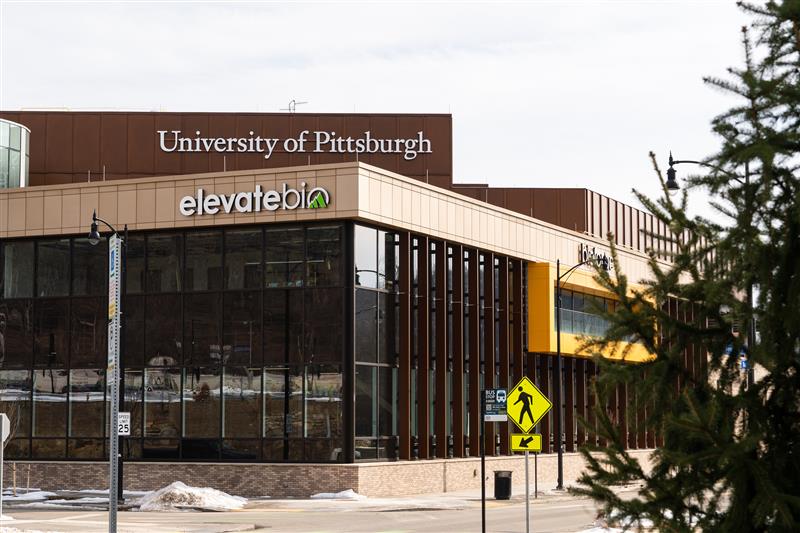
ElevateBio BaseCamp Pittsburgh

The future of genetic medicine depends on transforming bespoke science into reliable, repeatable manufacturing that can scale globally while controlling costs – ultimately moving advanced therapies from concept to cure. It’s a challenge that echoes Pittsburgh’s own transformation. Just as the city once manufactured the steel that built America, we’re now building the future of healthcare through cell and gene therapy.

It’s this backdrop that shaped our recent discussions with the National Security Commission on Emerging Biotechnology (NSCEB) when they visited BaseCamp Pittsburgh, ElevateBio’s biomanufacturing center at the former industrial site Hazelwood Green, expected to be operational in 2027. During the visit, we discussed NSCEB’s top priorities: scaling and de-risking U.S. biomanufacturing, expanding capacity and workforce talent, and ensuring that American biotechnology innovation remains globally competitive.

ElevateBio is directly aligned with NSCEB’s goals. We leverage deep experience and technical expertise to meet the complex demands of advanced therapy manufacturing, strengthen domestic production capacity, and help fuel the future of medicine.

Industrializing Advanced Therapies

Today, many cell and gene therapies are being produced through unsustainable processes. They hold scientific promise, but manufacturing is expensive and manually intensive. To change this, ElevateBio is industrializing these therapies by implementing standardized, repeatable manufacturing processes and deploying next-generation technologies and automated systems. Taken together, we can enable consistent, large-scale production while simultaneously reducing operational costs. It’s this shift that will move advanced therapies from highly customized, small-batch efforts to sustainable, commercial-ready solutions.

This is what’s required to get these medicines to the patients who need them. By building a proper manufacturing infrastructure, we can expand to treatments for a broad range of conditions, including cancer, autoimmune disorders, and rare genetic diseases.

Expanding U.S. Biomanufacturing Capacity

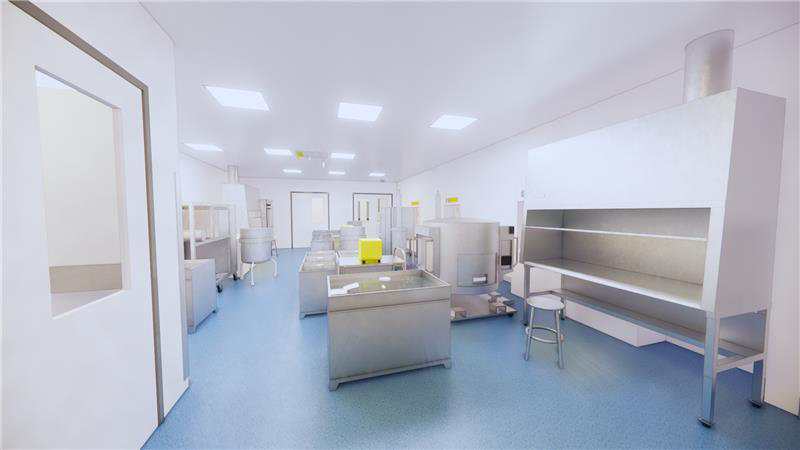
Rendering of a manufacturing suite to be constructed at ElevateBio’s Pittsburgh biomanufacturing facility

Industrializing advanced therapies requires purpose-built facilities capable of supporting programs from preclinical development through commercial scale. BaseCamp Pittsburgh was designed from the ground up to meet these needs, offering flexible manufacturing suites across cell therapy, gene therapy, viral vector, and mRNA platforms.

The facility features a dedicated technology lab designed to evaluate new products and seamlessly integrate innovation into manufacturing operations. Its intentional design aligns materials, workflows, personnel, and information to minimize variability, increase efficiency, and elevate product quality.

Within this lab, we are expanding the traditional role of the manufacturing execution system to accelerate the transfer of new products and innovations into our manufacturing suites. At the same time, it enables more realistic, hands-on training for manufacturing associates – reducing onboarding time while strengthening quality and compliance.

Cultivating the Next Generation of Biomanufacturing Talent

To make this vision a reality, we must invest not only in infrastructure, but also in the people who operate these complex systems. Pittsburgh knows how to build things – and just as importantly, it knows how to train the people who build things. We are building on the strength of Pittsburgh’s leading academic and research institutions – including the University of Pittsburgh and UPMC – and drawing on the region’s deep expertise in AI and automation to advance high-tech biomanufacturing while prioritizing workforce development. Our initiatives include:

  • 170 permanent, full-time positions, many not requiring postgraduate education
  • Partnerships with community colleges to support diverse educational pathways
  • Hands-on, cross-disciplinary training for career changers and early-career talent
  • Collaboration with local industry to identify candidates with existing, transferable skills

These programs reflect ElevateBio’s commitment to building inclusive pathways into advanced biomedical manufacturing, ensuring the next generation of talent can support the growth of U.S. cell and gene therapy production.

Strengthening U.S. Leadership in Biotechnology

Industrializing therapies and building talent sets the stage for reinforcing U.S. leadership in biotechnology. By onshoring production, we can significantly accelerate development timelines, reduce supply chain risk and increase resilience. Leveraging U.S.-based innovation further strengthens the nation’s position at the forefront of global biotechnology. Creating specialized manufacturing hubs like Pittsburgh helps drive the next era of American manufacturing, fostering regional economic growth and technical expertise.

Bringing biomanufacturing to Pittsburgh represents a tangible step in expanding our operations and proving the United States’ ability to produce next-generation medicines reliably and efficiently.

Looking Ahead

The progress at BaseCamp Pittsburgh continues at full pace. Construction has entered its next phase along the Monongahela Riverfront, transforming our long-term vision into physical reality. The facility’s core and shell is complete and meaningful progress has been made on the internal build out. ElevateBio plans to receive a Certificate of Occupancy this year, bringing us closer to making this vision operational.

ElevateBio is proud to extend Pittsburgh’s manufacturing legacy into advanced therapies. By industrializing complex science, strengthening the regional life sciences ecosystem, and training the workforce of tomorrow, we are ensuring the future of medicine is not just invented – but built, accessible, and ready to change lives.

April 4, 2025 by

In March 2022, Beam Therapeutics and ElevateBio embarked on a groundbreaking partnership to manufacture BEAM-101, an investigational base editing therapy for sickle cell disease. The therapy represents a novel approach to treating this devastating condition by mimicking genetic variants found in individuals with hereditary persistence of fetal hemoglobin. To advance this potentially transformative treatment to clinical trials, Beam turned to ElevateBio’s expertise in cell and gene therapy production, combining rigorous quality standards with the ability to move at unprecedented speed.

The Challenge

Manufacturing gene-edited cell therapies presents unique complexities beyond traditional cell therapy production. Base editing, like all gene editing cell-therapy technologies, requires careful process control to maintain editing efficiency and cellular viability. Traditional manufacturing approaches, optimized for other cell therapies, needed significant adaptation for this novel technology. Additionally, Beam faced urgent timeline pressures – they had identified potential clinical trial participants and needed to accelerate their manufacturing readiness without compromising quality.

“Base editing represents a new frontier in genetic medicine, and its manufacturing demands match that innovation,” says Brian Riley, chief manufacturing officer of Beam. “We needed a partner who could not only handle the technical complexity but move at the speed required to help us reach waiting patients.”

Pioneering Base Editing Technology

Beam’s proprietary base editing technology allows for precise genetic modifications without making double-stranded breaks in the DNA. BEAM-101 leverages this precision to mimic genetic variants seen in individuals with hereditary persistence of fetal hemoglobin – a natural condition that protects against the effects of sickle cell disease. This approach represents a potentially transformative treatment option, offering hope for a one-time therapy that could provide lasting benefit to patients.

Elevate Bio

BaseCamp’s End-to-End Manufacturing Capabilities

ElevateBio BaseCamp is a state-of-the-art process development and cGMP manufacturing facility designed to accelerate the development of cell and gene therapies. BaseCamp provides comprehensive manufacturing solutions, combining advanced technical capabilities with experienced program management to support partners from early development through clinical trials. The facility’s integrated approach to process development and manufacturing enables rapid technology transfer and scaling of complex genetic medicines. This comprehensive platform enables rapid process optimization and seamless technology transfer, crucial capabilities for novel therapeutic modalities like base editing.

The Approach: Innovation at Speed

Beam partnered with ElevateBio’s BaseCamp to define a plan for clinical supply, which ultimately led to an accelerated tech transfer to support BEAM-101’s path to clinical trials.

BaseCamp’s comprehensive strategy combined technical expertise with dedicated program management. The seamless integration of program management and the Manufacturing, Science and Technology (MSAT) group provided end-to-end oversight for technology transfer activities, while parallel manufacturing readiness and analytical method transfer activities compressed traditional timelines. The team leveraged a risk-based approach along with input from the process development group for successful translation of the novel base editing process into GMP manufacturing. This was supported by an accelerated training and qualification program that maintained the highest quality standards.

“We recognized that standard technology transfer approaches would not meet the timeline requirements,” explains Mike Paglia, Chief Technology Officer, ElevateBio BaseCamp. “Our team developed an integrated strategy leveraging our development, manufacturing and quality teams that maintained the highest level of quality while dramatically accelerating the timeline of the technology transfer of the Beam-101 process to ElevateBio BaseCamp.”

Michael Paglia,
Chief Technology Officer, ElevateBio BaseCamp

The results were immediate. Within four weeks, the teams completed their first training run. A second run followed within a month, and engineering runs began shortly after. This unprecedented speed came without sacrificing thoroughness – the teams transferred nine critical assays, completed comprehensive qualification, and maintained rigorous quality standards throughout.

Technology Innovation

The partnership demonstrated the value of close collaboration between therapy developers and manufacturing partners in establishing robust production processes. The team’s experience in transferring and scaling complex cell therapy processes helped create effective workflows and quality control approaches that supported the successful manufacture of BEAM-101.

Results: Breaking New Ground

The partnership achieved several breakthrough milestones in manufacturing excellence. Most notably, the team completed technology transfer two months ahead of schedule – while maintaining exceptional quality standards. The manufacturing process demonstrated consistent editing efficiency and reliable production parameters, establishing a repeatable model for future programs.

Key achievements include:

  1. Completion of comprehensive tech transfer ahead of schedule.
  2. Achieving successful site-to-site comparability to Beam’s in-house manufacturing facility
  3. Proudly supplying patient doses for Beam’s BEACON Phase 1/2 clinical trial evaluating BEAM-101 in adult patients with sickle cell disease

Beyond these immediate results, the collaboration delivered strategic value that extends well beyond BEAM-101. By working with ElevateBio, Beam successfully demonstrated the manufacturing scale-up of its base editing technology – a critical milestone in proving the commercial viability of any novel therapeutic platform. This demonstration provides a blueprint for future development programs across Beam’s pipeline, potentially accelerating the timeline for bringing additional base editing treatments to patients.

“The speed and quality of this collaboration exceeded our expectations,” says Giuseppe Ciaramella, Ph.D., president of Beam. “BaseCamp didn’t just manufacture our therapy – they helped us establish a blueprint for base editing manufacturing.”

Giuseppe Ciaramella, Ph.D.
President, Beam Therapeutics

The successful manufacturing of BEAM-101 represents more than one company’s achievement – it demonstrates the feasibility of rapidly scaling novel genetic medicines. As the field of genetic medicine advances, manufacturing remains a critical determinant of success. The manufacturing platform and processes developed through this collaboration create a pathway for future base editing therapies, potentially accelerating the development of treatments for other genetic diseases.

July 9, 2024 by

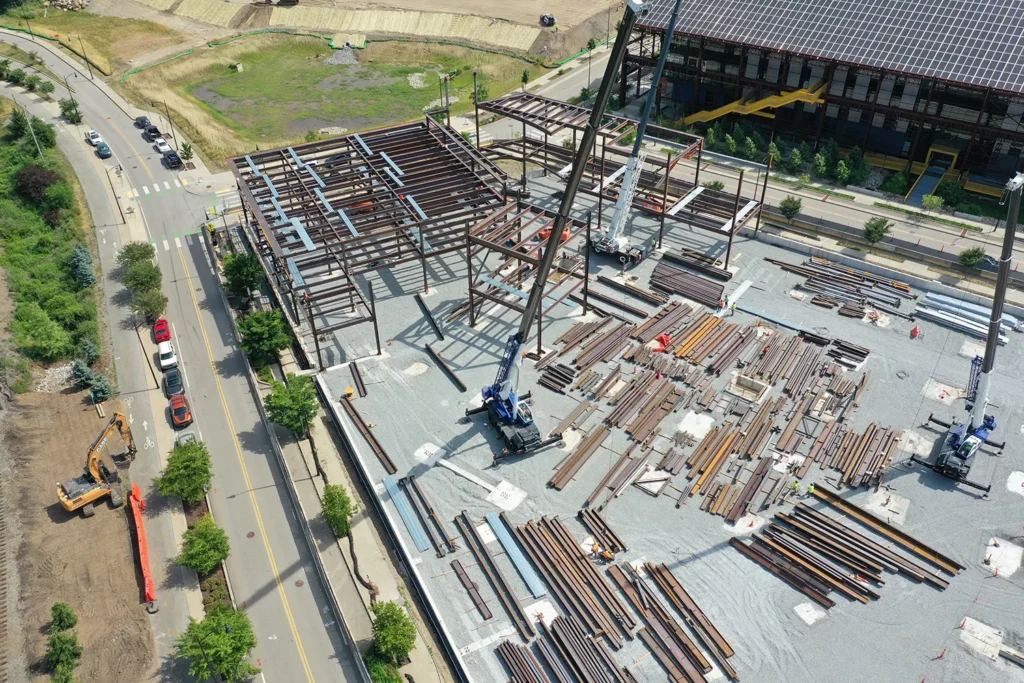
First steel rising at BaseCamp Pittsburgh, June 26, 2024
Photo credit: Multivista of Western PA

What a sight and inspiration it’s been watching the first steel beams rising over the past weeks at ElevateBio’s new BaseCamp biomanufacturing facility in Pittsburgh, located in Hazelwood Green, part of the city’s Greater Hazelwood neighborhood. In partnership with the University of Pittsburgh and the Richard King Mellon Foundation, ElevateBio is building its second BaseCamp® manufacturing facility, expected to be completed in 2027. Our flagship BaseCamp facility was established on Smith Street in Waltham, Mass., in 2019.

There is something profound, even poetic, about steel beams going up in Hazelwood Green. The area along the Monongahela River once made Pittsburgh the Steel City and a major manufacturing center contributing to the war effort during World War II. Through the 1970s, Pittsburgh was a center of vitality in the American economy.

While many have bemoaned the losses in the steel industry in the decades since, Pittsburgh’s city planners and community leaders have now been welcoming new industries to Hazelwood Green, such as robotics and automation sciences, in addition to the life sciences. In some ways, Pittsburgh is an ideal city to adapt to these new industries. The local business environment fosters innovation, the city offers many of the great cultural amenities of much-larger cities — diverse theater companies, beautiful parks and gardens, stellar cuisines, a magnificent library system, and much more — and there’s a cost of living that many families find highly attractive.

In fact, Pittsburgh was recently ranked as one of the top life sciences labor markets in the U.S., with a commanding profile in training workers to participate in this growing industry. Just last year, University of Pittsburgh Greensburg opened its acclaimed Life Sciences Building, and the University of Pittsburgh Medical Center’s investment arm has pledged $1 billion to support life sciences startups.

Building Our Presence in Pittsburgh

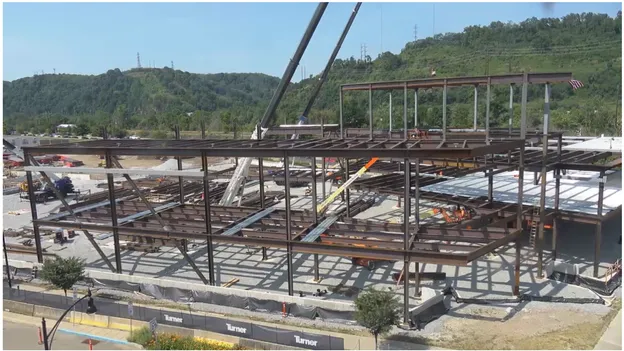
Steel beams in place, July 3, 2024
Timelapse from ground leveling
Photo credit: Multivista of Western PA

From the beginning, ElevateBio and the University of Pittsburgh envisioned a major presence for BaseCamp in Hazelwood. In fact, BaseCamp Pittsburgh is anticipated to take occupancy of approximately 70% of the Hazelwood Green facility.

BaseCamp is ElevateBio’s one-stop shop with all of the capabilities needed to make new cell and gene therapy products a reality. Offering end-to-end capabilities, BaseCamp provides the technologies, expertise, operations, processes, and manufacturing to accelerate the development and commercialization of transformative therapies.

ElevateBio expects to fill 170 permanent full-time positions at BaseCamp Pittsburgh. For half of those jobs, post-graduate years of education are not required, and a trade-school, community college or bachelor’s degree will be sufficient. ElevateBio also has plans to implement workforce training to help build the future of high-tech biomedical manufacturing in the region. On top of this, the build-out of the facility will ensure approximately 900 construction jobs through completion.

With the steel beams rising in place in Hazelwood Green, we’re making significant progress towards the opening of our new 125,000 square foot facility, BaseCamp Pittsburgh. I am inspired by all the individuals who have gotten us to this point and am eagerly looking forward to this important chapter for ElevateBio, the University of Pittsburgh, and the city itself.

June 11, 2024 by

I recently had the opportunity to join CNBC’s Fast Money after ElevateBio was recognized as a 2024 CNBC Disruptor. In that conversation, I focused on ElevateBio as a “genetic medicines foundry,” a concept I believe captures what we do, how do we it, and the specific intentions with which we designed our business model and built the company from the outset. Through this foundry model we’re advancing programs, companies, and the entire industry with a full spectrum of tools, technologies, and expertise for developing the next generation of genetic medicines.

But what exactly does it mean to be a genetic medicine foundry? And how does it apply to ElevateBio?

An innovative business model for genetic medicines

We founded ElevateBio seven-plus years ago to redefine the way we develop and manufacture therapeutics and usher in a new era of medicine powered by cell and gene therapies, also referred to as genetic medicines. Our model goes beyond the traditional roles of a contract manufacturer or a standard therapeutic biotech company. Instead, we enhance the design and manufacturing of both our internal and partnered investigational therapies by combining platform technologies – including gene editing, cellular engineering, RNA engineering, and viral and non-viral delivery vehicles – scaled manufacturing and analytical and process development expertise. These technologies reside under two complementary components of ElevateBio’s ecosystem: Life Edit and BaseCamp.

Through Life Edit, BaseCamp, and our team of industry-leading experts, ElevateBio supports biopharma partners with end-to-end capabilities to design, develop, and manufacture genetic medicines. We are the first company to build a fully integrated technology stack and end-to-end manufacturing capabilities with what I refer to as a genetic medicine foundry.

ElevateBio as a genetic medicines foundry

Generally speaking, a foundry is a one-stop-shop to create various objects or components for the manufacturing of larger, more complex products.  Two companies from the tech sector illustrate this concept.

Taiwan Semiconductor Manufacturing Company (TSMC), established in 1987 as the world’s first dedicated semiconductor foundry, applies their technology and manufacturing techniques to produce powerful microchips – and still remains a critical supplier today of chips for phones, computers, cars, and servers in our tech-driven world. Nvidia has likewise placed themselves at the center of the artificial intelligence boom, building graphics processing units (GPUs), new software, and AI models for companies to apply in their own sectors.

In a parallel way, ElevateBio applies this same foundry business model to genetic medicines, positioning ourselves as a one-stop shop and indispensable partner for cell and gene therapy companies, dedicated to propelling the entire field of genetic medicine forward.

The benefits of our foundry approach

In essence, we serve as a catalyst for innovation and collaboration. And there are three primary ways in which our foundry model enables us, with our partners, to accelerate genetic medicine development.

The primary benefit is clear: speed of development. Our robust technology stack allows partners to choose the best technology for their product or streamline the design and manufacturing process, significantly reducing the time and resources required to develop new genetic medicines. This acceleration is not only advantageous for our partners but also has far-reaching implications for patients in need of life-saving treatments.

The second is the collaborative innovation we intentionally built into ElevateBio’s structure. Internally, that structure enables collaboration across our R&D, PD, manufacturing groups and other teams of experts on the design of next-generation medicines, with our embedded technology and capabilities at the center. Externally, our teams work closely and directly with our partners to expedite the translation of scientific discoveries into tangible therapies.

The third is the greater therapeutic flexibility our approach to partnerships gives us over a traditional biotech. Through external R&D partnerships and deals, we can advance a pipeline that creates opportunities for downstream revenues. At the same time, our partnerships allow us to advance our platform technologies and de-risk our early-stage programs, giving us the ability to build an internal, wholly owned pipeline of programs where we’ve demonstrated proof of concept and the chance of clinical success has increased.

Our impact on the industry and vision for the future

Multiple industry partners are already benefitting from the integrated technologies made possible through our foundry model.

For example, our process development and manufacturing teams at BaseCamp have partnered with Abata Therapeutics for several years to accelerate the development of their cell therapy program (ABA-101) for multiple sclerosis (MS). The technologies, manufacturing capabilities, and technical expertise of BaseCamp shaved one year off Abata’s initial IND timeline, saving them significant capital on staffing and facility costs required to design and manufacture this promising therapy. Importantly for Abata, the manufacturing process developed for ABA-101 serves as a template to benefit future development programs, including their next program for Type 1 diabetes. This collaboration also represents first time anyone has shown the ability to successfully engineer, expand, and manufacture TCR-engineered Tregs in the numbers required for use as therapeutics.

Similarly, with Kyverna Therapeutics, BaseCamp successfully completed studies to support process development and clinical manufacturing using Ingenui-T, Kyverna’s proprietary three-day manufacturing process for their autologous CAR T-cell therapy program for autoimmune diseases. This achievement is monumental when we consider the tens of thousands of patients affected by autoimmune diseases, and the speed with which Kyverna can turn the patients’ own cells into therapies that targets the underlying pathology of their disease.

Additionally, industry leaders Moderna and Novo Nordisk have turned to the gene editing capabilities of our Life Edit platform to help design potentially curative in vivo gene edited therapies and base editing therapies, respectively.

These are just a few examples of the positive impact ElevateBio is having on our industry partners and the change we’re bringing to the world. For us, “genetic medicine foundry” is more than a title or an abstract concept: it reflects the entire model on which ElevateBio was established and how we’re bringing to life our mission of advancing genetic medicines with our technology and manufacturing capabilities. We believe that being a foundry is a commitment to revolutionizing healthcare through collaboration, innovation, and dedication to improving patient outcomes.

October 3, 2023 by

The story of American manufacturing is complicated. For much of the 20th century, it was the driving force in the American economy, with cities like Detroit, Pittsburgh, and Cleveland serving as hubs of industry. However, in recent decades, the landscape has undergone dramatic shifts. In 1979, manufacturing hit its peak of 19.6 million jobs, representing 22% of all nonfarm employment, and it’s never fully recovered. By 2019, manufacturing represented just 9% of all nonfarm employment. While the causes of this decline are complex and multifaceted, a few key factors stand out, including global competition, technological advances, and changing economic conditions, particularly recessions.

Despite these factors, American manufacturing is not dead. At ElevateBio, we aim to be a driving force in re-imagining and re-invigorating this sector by leading the way domestically and internationally in the biomanufacturing of cell and gene therapies (CGTs).

Biomanufacturing Represents the Future

Biomanufacturing – using living cells or organisms, such as bacteria or yeast, to produce pharmaceuticals, vaccines, and even biofuels – has tremendous potential. Over the last several decades, the promise of CGTs and their potential to treat – or even cure – diseases where there are no available therapies has become increasingly clear, and investment into these highly innovative medicines has skyrocketed. But our success in scientific discovery has given rise to other challenges:

  1. Scaling production from a few million cells in a research lab to manufacturing billions of cells needed to treat patients is uniquely complex.
  2. While science and innovation have dramatically advanced the discovery and development of CGTs, biomanufacturing advancements have lagged and relied mainly on traditional modes of development or a patchwork of technologies and providers, slowing the impact on human health.
  3. Crucially, the skilled labor force needed to manufacture these life-changing medicines is limited and clustered in a few small biotech hubs. To meet patient demand, we need more highly skilled manufacturing professionals and facilities, and we need to enable access to cutting-edge CGT facilities and expertise in more regions across the country and around the globe.

A Blueprint to Revitalize American Manufacturing

In a city historically known for its iron and steel manufacturing, we think future generations will hear “Pittsburgh” and know it for something else: biomanufacturing. Pittsburgh can serve as the model for how this powerful field can both revitalize manufacturing in key regions around the U.S. and fuel access to powerful new medicines for patients domestically and abroad.

In November 2021, the Richard King Mellon Foundation awarded the University of Pittsburgh a $100 million grant to create a biomedical manufacturing center at Hazelwood Green in Pittsburgh. Hazelwood Green was once the literal and metaphorical powerhouse of the city’s Greater Hazelwood. Coupled with the sprawling Jones & Laughlin plant across the Monongahela River, that South Side mill and the former Greater Hazelwood works combined to make Pittsburgh steel a key contributor to the World War II effort. It housed munitions production during World War II and following the war, it became a rolling mill, producing 10” bar steel critical to America’s growth. The decline and eventual closing of the mill in 1999 was a significant economic blow to the neighborhood. It marked the end of one type of manufacturing in Pittsburgh and a substantial source of job creation and revenue in the region.

Pittsburgh is an ideal location in which to extend ElevateBio’s manufacturing and technology, given that it sits at the intersection of science, technology, and talent. At ElevateBio, we have created an integrated ecosystem that combines R&D platforms with current Good Manufacturing Practice (cGMP), designed to power cell and gene therapy processes, programs, and companies to their full potential. BaseCamp® is our cGMP manufacturing and process development business that offers end-to-end capabilities for our partners and internal programs. Our flagship 140,000 sq. ft. BaseCamp facility is located in Waltham, Massachusetts, and in 2022, we announced our geographic expansion to Hazelwood Green in Pittsburgh through a 30-year partnership with the University of Pittsburgh and the R.K. Mellon Foundation. Our planned BaseCamp expansion in Pittsburgh will enable an even greater number of biopharmaceutical companies, innovators, physicians, and scientists to translate revolutionary science and research from bench to bedside. At the same time, we’ll bring more than 170 permanent full-time jobs, 900 construction jobs, and 360 off-site support jobs to Pittsburgh.

Importantly, this partnership builds on Pittsburgh’s leadership position in manufacturing technologies and the University of Pittsburgh’s innovative research. The University of Pittsburgh’s nationally ranked and internationally regarded School of Medicine and research across the health sciences are a natural fit for ElevateBio — after all, this was where Jonas Salk cured polio. The unique ecosystem that makes Pittsburgh so attractive for this initiative also exists in many other formerly great manufacturing regions in the U.S., opening up the potential for growth and a roadmap for revitalizing manufacturing in the U.S.

Training the Biomanufacturing Workforce of the Future

At ElevateBio, we know that talent is key to catalyzing a new technology-driven bioeconomy in Pittsburgh and beyond. To accomplish this objective, we are working to create high-skilled jobs and train a new generation of manufacturing workers.

Here is how:

We have workforce development, local trade, and community college outreach programs to help train and develop professionals with varying levels of education.

We aim to advance careers through continuous hands-on training and professional development activities in multiple disciplines, providing opportunities for individuals changing careers and young professionals entering the job market.

We offer high-paying job opportunities to a broad spectrum of individuals that will serve them well over the lifetime of their careers, whether at ElevateBio or another company in the bioeconomy in the future.

ElevateBio is putting our expertise and our money where they count. In Pittsburgh, we estimate the cost of our hands-on training and professional development activities will be over $40 million. This includes the salary required for highly skilled trainers (Ph.D.’s.), the wages of trainees, and consumable costs per person per month, with additional resources necessary to continue talent development as new technologies and techniques emerge. An anticipated 50% of employees in Pittsburgh will have a trade school, community college, or bachelor’s degree level of education; the remainder will be industry experts and individuals with advanced degrees.

Our workforce development program focuses on our mission to power the creation of life-transforming cell and gene therapies, at a speed the world deserves; this is a key motivator for all our employees each and every day. Training is conducted in a classroom or laboratory setting where new staff can learn and ask questions to ensure they have a strong understanding of both how and why they are carrying out an activity. We provide the education and tools for individuals to be successful not only during their time in a particular role but also in different departments or other companies as their careers advance. The education that our employees receive through our programs provides them with the fundamentals of product development and in-depth training for their specific job functions.

In addition to training and continuing education, we offer competitive salaries, benefits, and leave policies to all full-time employees to attract and retain talent. We believe that through investments in a highly skilled manufacturing workforce, we can also advance the local economies in which we do business.

We’re Helping to Drive the Next American Manufacturing Revolution

Western PA is on a journey of becoming a premier U.S. biomanufacturing center: it has all of the elements necessary for success – research institutions as well as medical facilities providing clinical care, patient monitoring, and tracking of health outcomes – that are also all reasons we chose to expand into the region. Through our continued expansion and commitment to powering the field of cell and gene therapy for decades to come, ElevateBio is creating jobs, building a new generation of highly skilled manufacturing workers in America, and looking for synergies globally. Through this effort and our cutting-edge technology platforms, we are accelerating access to technologies and expertise that have the power to change the future of medicine. We’re looking for innovators and partners who want to join us in pioneering the future of CGT and the biomanufacturing economy. Come work with us as we seek to usher in the next great wave of American manufacturing.

Footer

ElevateBio

Investors & Media

LinkedIn Twitter

© 2026 ElevateBio. All Rights Reserved.

Privacy & Cookie Policy

  • Manufacturing & Discovery Services
  • Technologies
  • Advanced Therapies
  • Partner With Us
  • About
  • Presentations & Publications
  • Elevated Insights
  • Careers
  • Facilities
  • Contact
MENU
  • Manufacturing & Discovery Services
    • Manufacturing & Discovery Services Overview
    • Gene Editing Design & Optimization
    • Process Development
    • Analytical Development
    • cGMP Manufacturing
    • Next-Generation Sequencing
    • Quality
    • Regulatory CMC
    • Certifications & Compliance
    • Generative AI
  • Technologies
    • Technologies Overview
    • Gene Editing
    • Viral and Non-Viral Delivery
    • Messenger RNA (mRNA)
    • Induced Pluripotent Stem Cells (iPSCs)
  • Advanced Therapies
  • Partner With Us
  • About
    • About Overview
    • Our Journey
    • Our Team
    • Culture of Expedition
    • Careers
  • Media
    • Investors & Media Overview
    • Press Releases
    • Presentations & Publications
    • Elevated Insights
  • Careers
  • Facilities
  • Contact