// Oct 2026
Beyond the Binder: Why Tech Transfer Is an “Experience Transfer”

Tech transfer is not a document problem. Every CDMO receives the same binder: SOPs, batch records, development reports. The ones that get it right first time are doing something the binder doesn't capture. To successfully transfer a process, one has to look past the standard document package. Think of tech transfer as a three-tiered pyramid:
- Document Transfer (The Base): SOPs, batch records, process description and material lists. Essential, but insufficient on its own. The primary purpose of this is to provide starting point for document drafting at a CDMO, but they have a limited share in the success of tech transfer. If the documents would have been enough, why do regulators insist on visiting site, observing and talking to operators to gauge the compliance and robustness of a CDMO?
- Knowledge Transfer (The Middle): Sharing the "why" behind the steps. For example, why does a particular process parameter has a narrow range, why the process is designed with variable harvest days, why a custom media has short hold time etc. The knowledge can be disseminated through process development insights, sharing the data history, sharing the deviation history and common failure modes, and through productive dialog between process development scientists on both sides (no, it’s not a typo, I do mean process development scientist even from the CDMO side).
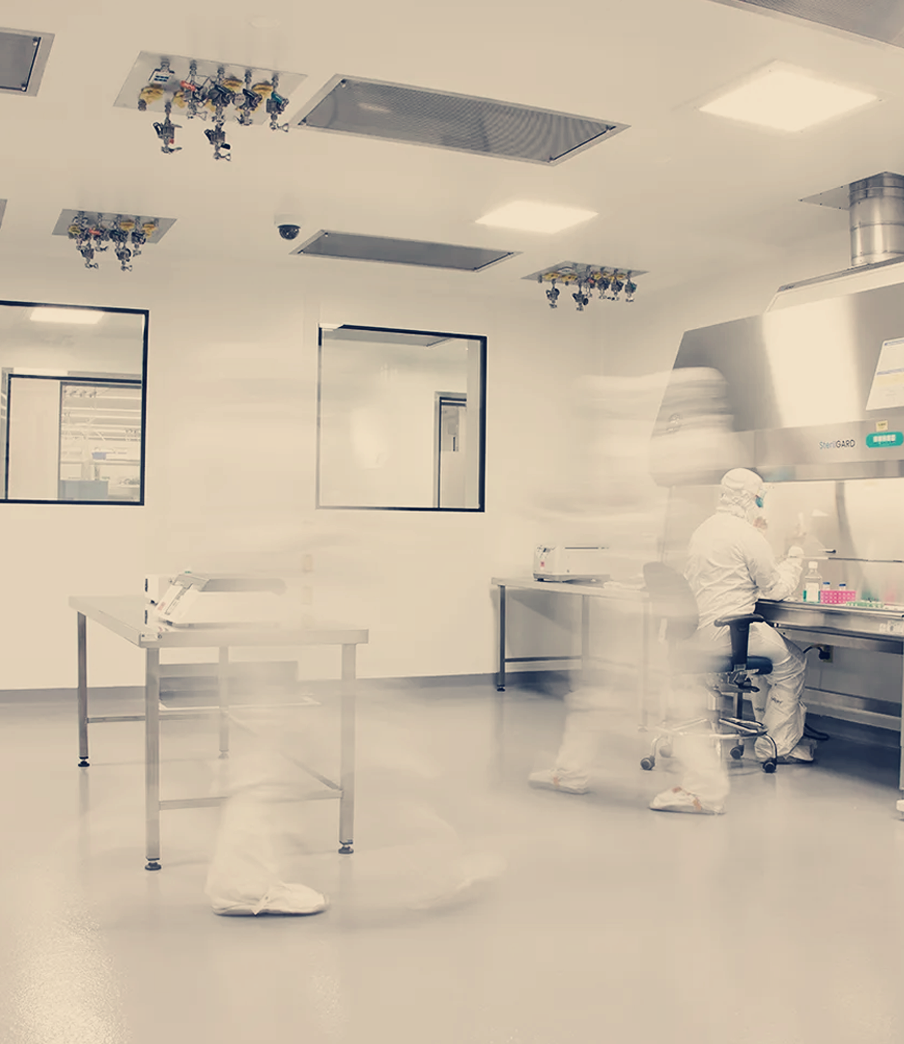
- Experience Transfer (The Peak): Transferring the nuances of the process that are not captured anywhere else. These are the critical details that are necessary to successfully execute manufacturing on the floor which are often not captured in the documents. Think of it like learning to cook a complex dish. You can follow the written recipe but stand next to someone who makes it well and you pick up what the recipe never says: how the sauce should look, when to trust your hands over the timer. That's the difference between reading a tech transfer package and being on the floor while the process runs.
The Nuances of Cell Therapy
For cell therapy manufacturing process, biological variables (defined and not defined) are highly complex. Cell health, productivity and characteristics (and cell type for differentiating cell lines such as iPSCs) depend on the microenvironment that cell experiences. What we can measure, and define through documents, is the macroenvironment. Some of the most critical steps rely on physical manipulation that a document simply cannot fully teach. Few common examples include -
- Knowing exactly how to handle and harvest from a G-Rex vessel. Think of microenvironment of cell layer creating gradient in nutrients and a physical loss of cells from unsettled reactor.
- The surgical precision required to dissect a tumor sample. Variations created in the tumor due to microenvironment and complex biology.
- The specific technique used to seed or decant a 2D cell stack without disrupting the cell sheet.
How to Build Shared Experience
You cannot read your way into experience; you must live it. At ElevateBio, our mature technology transfer program prioritizes hands-on collaboration through multiple avenues:
- Observation Run: ElevateBio SMEs travel to the sponsor's development labs to watch the process run in real-time. This serves a dual purpose not only to let ElevaBio team gain experience but also accelerates the timeline by leveraging client lab capabilities early on during the tech transfer.
- Demonstration Run: This is reverse of the observation run where Sponsor scientist travel to ElevateBio lab to observe (and provide clarity on the floor) during run conducted in ElevateBio PD lab. Cleanroom operators use this opportunity to observe.
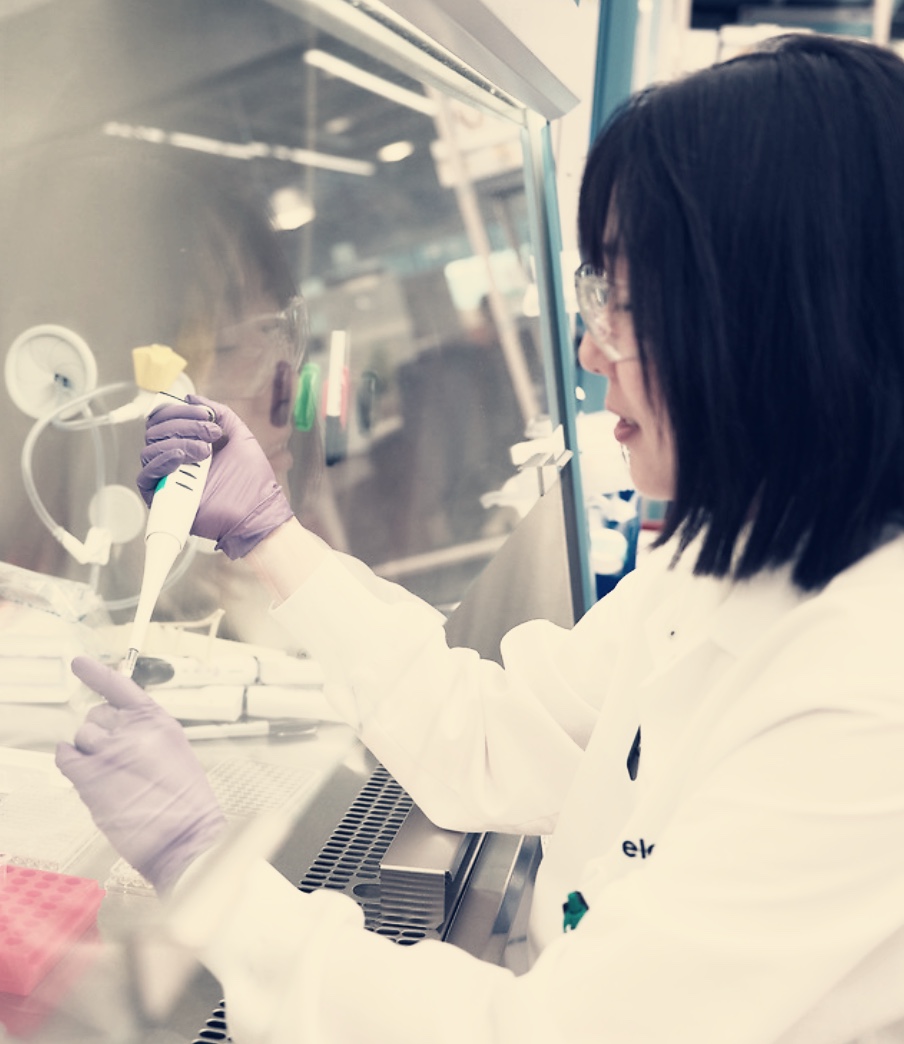
- Training Run: Cleanroom operators execute this run with oversight from PD scientists in lab environment so they can physically practice the nuances before the first run in the suite.
- Partner-in-plant Floor Presence: Sponsor scientists embed themselves on the CMO manufacturing floor during tech transfer runs to continue the refinement. It’s important to practice the process in the actual manufacturing suite, with the actual equipment layout and the proper gowning to ensure experience transfer completes it’s full journey from sponsor development lab to CMO manufacturing floor.
A right-first-time transfer is not luck. It is the result of designing the transfer to move experience, not just documents, from one floor to another. The binder gets you started. The shared experience gets you to a successful first GMP batch.
Contact ElevateBio to discuss how we structure tech transfers for your program.

Yogesh Waghmare, Senior Director, MSAT
Yogesh Waghmare, PhD is Senior Director of Manufacturing Science and Technology at ElevateBio, where he leads end-to-end technical support for GMP manufacturing of advanced modalities including cell therapies, viral vectors, and mRNA. With over 15 years of experience across MS&T, process development, and CMC leadership, he has held senior roles at Moderna, Editas Medicine, bluebird bio, and Sanofi-Genzyme, supporting clinical through commercial programs and regulatory submissions. Yogesh holds a PhD in Chemical Engineering and has authored numerous publications and delivered invited presentations in bioprocessing and advanced manufacturing.