// Aug 2026
When Should You Engage a Cell and Gene Therapy CDMO? Earlier Than You Think.


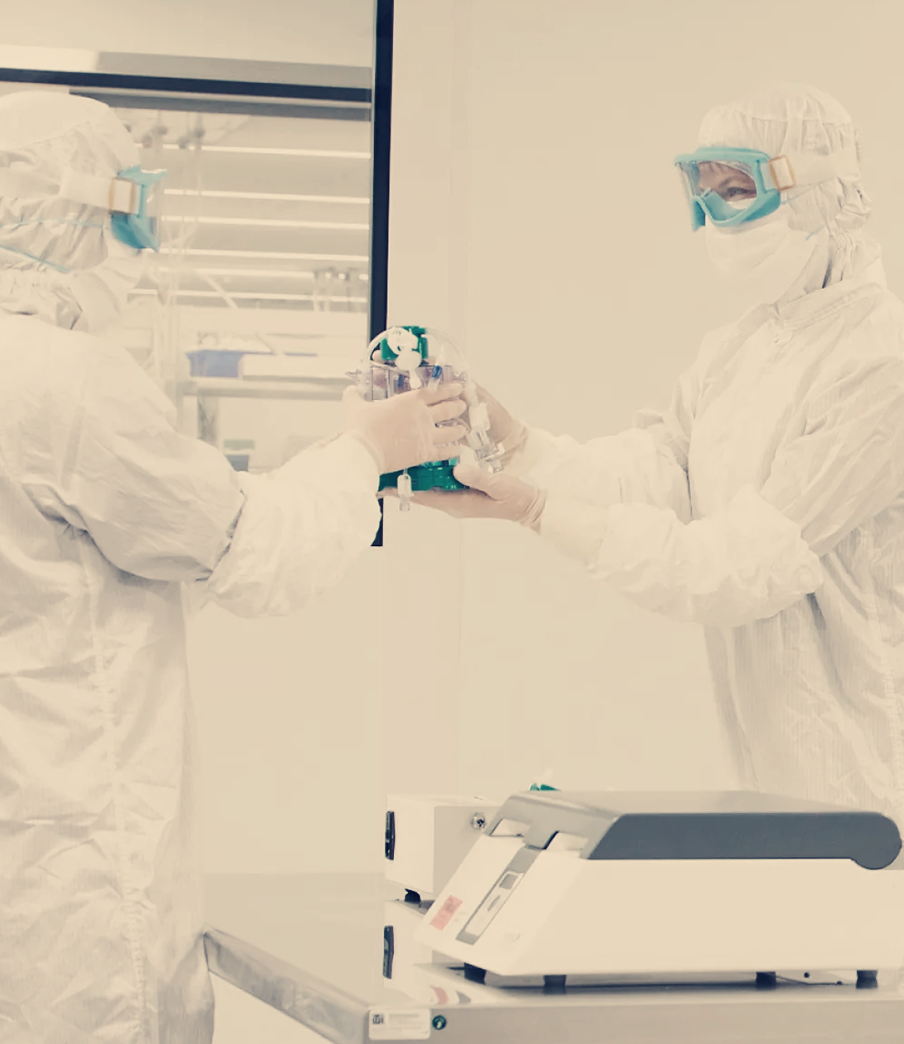
The best time to engage a cell and gene therapy CDMO is when key process development decisions are still being made, not once your process is ready for GMP manufacturing. Early manufacturing input reduces risk, accelerates technology transfer, and improves manufacturability and process consistency from the start.
Most Programs Engage Their CDMO Too Late
When we ask when the right time is to engage a CDMO, the answer we hear most often is, “Once the process is ready for technology transfer”. Nobody wants to pull a busy technical team into CDMO conversations before there's a process ready to hand off. But by then, the decisions that shape manufacturability, scalability, and operational success are already locked in. A process that performs well in the lab can still hit real problems once it moves into GMP manufacturing.
Manufacturing Experience Matters More Than Capacity
Facilities, equipment, and people are the obvious assets a CDMO brings to the table. The more valuable one is manufacturing experience, the practical knowledge of how a process actually performs in a GMP setting. The right time to draw on that expertise is during process development, not after the process is locked, so the process gets designed with manufacturability in mind from the start.
A CDMO Sees Manufacturing Risks a Development Lab Can't
A CDMO can tell you things a development environment can't. Equipment reliability is one: how often does that piece of equipment generate errors when it's run over and over, batch after batch? Raw materials and vendors are another: does the vendor provide robust quality control, and are they a supply partner you can actually count on? Timing matters too. An unstable intermediate that has to be prepared just in time can take longer to process on the GMP floor than it did on the lab bench. And in-process test results, the ones that trigger decisions like seeding, splitting, or harvesting, need a home: on the manufacturing floor or in the QC lab.
The Right CDMO Shapes Your Process, Not Just Manufactures It
The right question when evaluating a cell and gene therapy CDMO isn't whether they can manufacture your process. It's whether they have the process development capability to engage before the process is even defined. A CDMO brought in at the point of clinical manufacturing inherits your constraints. A partner engaged during process development helps you avoid creating them in the first place, so your program never loses momentum handing off from development to manufacturing.
ElevateBio Integrates Process Development and Manufacturing From the Start
ElevateBio offers a strong integrated tech transfer team that includes SMEs from manufacturing operations, MSAT, and process development. They provide critical manufacturability design input to the process development effort upfront, rather than a manufacturability assessment after the fact that points out what's wrong with a process that's already been transferred. This early engagement doesn't just derisk and accelerate tech transfer. It also reduces variability, and failures in clinical manufacturing.

Yogesh Waghmare, Senior Director, MSAT
Yogesh Waghmare, PhD is Senior Director of Manufacturing Science and Technology at ElevateBio, where he leads end-to-end technical support for GMP manufacturing of advanced modalities including cell therapies, viral vectors, and mRNA. With over 15 years of experience across MS&T, process development, and CMC leadership, he has held senior roles at Moderna, Editas Medicine, bluebird bio, and Sanofi-Genzyme, supporting clinical through commercial programs and regulatory submissions. Yogesh holds a PhD in Chemical Engineering and has authored numerous publications and delivered invited presentations in bioprocessing and advanced manufacturing.