// Sep 2026
Technology, Not Just Biology, Will Deliver the Future of Medicine


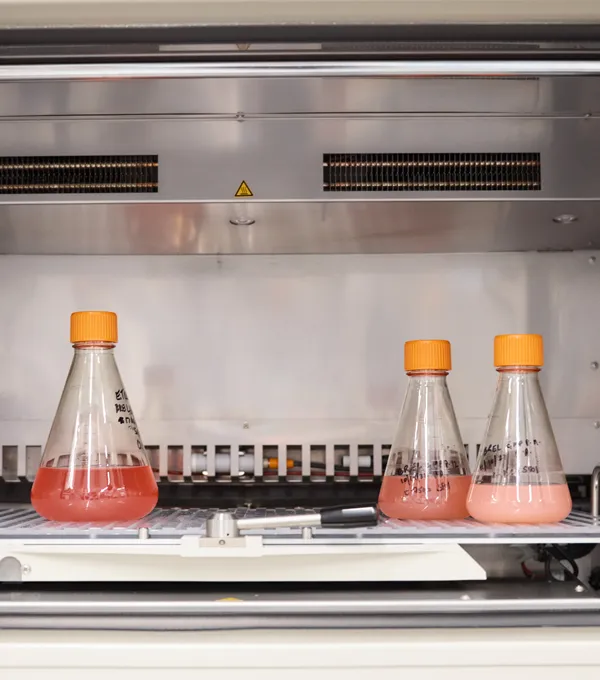
The future of advanced therapies won't be defined by a single technology. For years, our industry has searched for the next breakthrough, whether that’s a more precise gene editor, a more efficient manufacturing platform, a faster analytical method, or an emerging modality poised to transform medicine. Each innovation matters, but none alone is enough to address the complexity of developing the next generation of therapies.
Too often, these technologies have evolved independently, with discovery, manufacturing, analytics, and emerging modalities advancing along separate paths. Enabling the next generation of therapies will require continuous investment across the entire advanced therapy lifecycle, from therapeutic discovery and process development to manufacturing, quality, release, and the technologies that will define the future of medicine.
At ElevateBio, that's the philosophy driving our technology strategy. We are continuously investing in the capabilities needed to advance therapies from discovery through commercialization, because meaningful innovation happens when every stage of the lifecycle is strengthened. Every investment we make is intended to solve today's challenges while building the infrastructure needed for tomorrow's therapies.
Gene Editing Requires Multiple Approaches
Gene editing has transformed our understanding of what is therapeutically possible. That's why ElevateBio built a diversified gene editing portfolio that includes novel nucleases and base editors, programmable gene insertion technologies, epigenetic editors, AI-designed enzymes, and the manufacturing capabilities needed to translate these discoveries into clinical development. This breadth allows us to approach complex disease targets with greater flexibility while reducing development risk and increasing the likelihood of identifying the optimal therapeutic strategy.
AI is accelerating this evolution even further. By combining a proprietary library of more than 10 billion proteins with generative AI and machine learning, we're expanding protein engineering beyond the limits of naturally occurring biology. Rather than relying solely on existing proteins, we can computationally design and optimize therapeutic candidates with improved precision, potency, and safety. As AI continues to reshape biotechnology, its greatest impact may not simply be making discoveries faster, but helping scientists explore entirely new possibilities in biology that were previously inaccessible.
Together, these investments represent a continued commitment to expanding the possibilities of gene editing. By building capabilities across multiple technologies, platforms, and approaches, we are creating the foundation to address increasingly complex therapeutic challenges.
Automation Is Redefining Cell Therapy Manufacturing
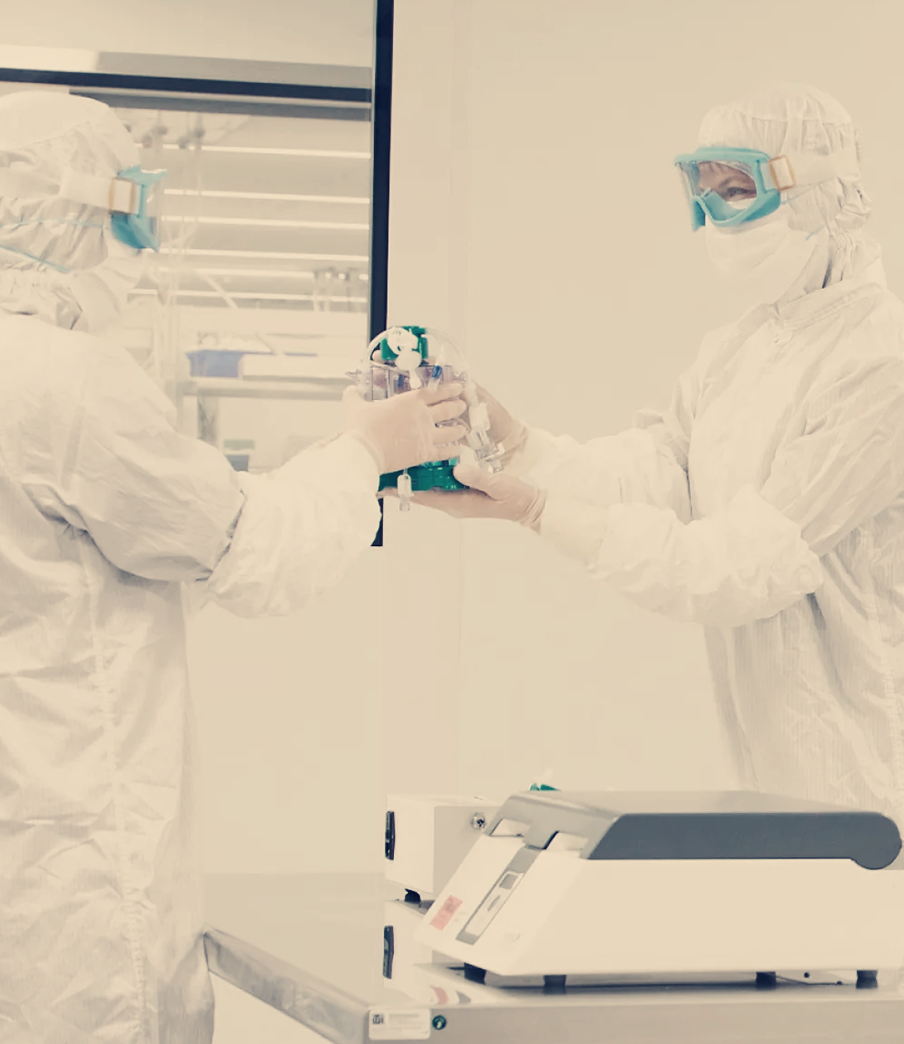
Scientific innovation only creates value if it can be manufactured consistently and at scale. Cell therapy manufacturing remains one of the industry's greatest operational challenges. Manual workflows can cause variability, limit scalability, and contribute significantly to costs. Addressing these challenges requires more than incremental process improvement; it requires rethinking how manufacturing itself is designed.
We recently completed building our new advanced therapies manufacturing facility in Pittsburgh and expect it to be operational next year. At this facility, we are taking a fresh look at automating manufacturing to reduce complexity, improve scalability, and lower cost of goods sold. This includes fully integrating and leveraging all the data and process systems we utilize to minimize human error, improve process consistency, accelerate production timelines, and create a foundation for more efficient manufacturing. We’ve also collaborated with companies such as Sartorius and OriBiotech on the optimization and implementation of cell therapy platforms. The objective is not simply to replace manual steps with automated ones, but to leverage systems that are inherently more predictable, reproducible, and efficient.
As advanced therapies move toward broader commercialization, manufacturing excellence will become just as important as scientific excellence.
Data Should Accelerate Decisions, Not Delay Them
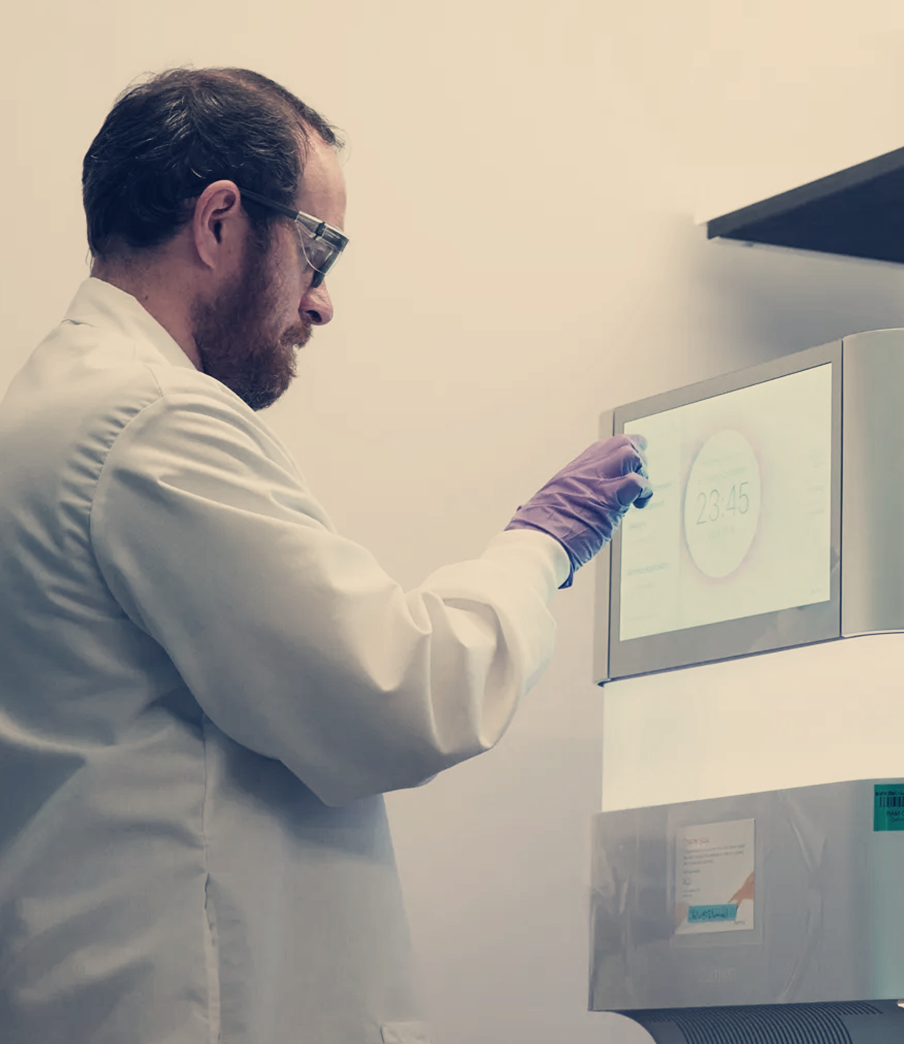
Innovation doesn't stop once manufacturing is complete. Release testing remains one of the most time-intensive stages of advanced therapy manufacturing, and every additional day spent waiting for analytical results delays treatment and adds operational complexity. We see an opportunity to fundamentally change this process by making analytics a more integrated, data-driven, and efficient part of the manufacturing workflow.
By investing in developing next-generation sequencing (NGS), rapid analytics, automation, and connected data workflows, we're building release testing capabilities that compress timelines while maintaining the rigorous analytical standards these therapies require. Traditional release can often take weeks, representing upwards of 50% of overall manufacturing time. Whereas at ElevateBio, new sequencing assays can deliver results in as little as four days, helping reduce a critical bottleneck and accelerate the path to release. Our vision extends beyond implementing new instruments. We're creating integrated analytical workflows where sequencing, data analysis, interpretation, and reporting work together to enable faster release decisions, reduce testing complexity, and improve manufacturing efficiency.
In the future, analytics won't simply verify quality; they will become a driver of manufacturing innovation. The data generated throughout manufacturing and release can provide valuable insights to optimize processes, strengthen platform capabilities, and continuously improve future therapies.
Investing Ahead of the Next Wave of Innovation
Perhaps the most important technology investments are the ones the market hasn't fully demanded yet. Driving innovation requires looking beyond today's challenges and building the capabilities that will enable tomorrow's therapies. The field continues to evolve rapidly, with mRNA and lipid nanoparticle (LNP) technologies emerging as foundational tools that extend well beyond vaccines, including in vivo cell therapies.
Recognizing that shift, we've continued investing in building capabilities spanning our lipid library, formulation, process development, quality systems, and manufacturing for mRNA and LNP-based programs. We have already manufactured over 25 drug substance or bulk drug product mRNA batches for both vaccine and in vivo therapeutic applications. We have also developed our own end-to-end mRNA manufacturing process, which we anticipate making available to partners by early 2027. Just as importantly, we're building flexibility into our manufacturing model. Some partners arrive with established manufacturing processes ready for GMP execution, while others need support much earlier in development. Our vision is to meet innovators wherever they are by providing an integrated path from development through commercial production. Reducing technical transitions ultimately reduces development risk, shortens timelines, and helps innovative therapies move more efficiently toward patients.
Advancing Innovation Across the Advanced Therapy Lifecycle
Advanced therapies are becoming increasingly sophisticated. The innovations that define the next decade will likely require continued investments across multiple technologies and capabilities, rather than standalone platforms, making flexibility itself a critical capability for enabling the future of medicine.
At ElevateBio, we believe driving innovation requires building capabilities today that can address the challenges of tomorrow. By continuously investing across the advanced therapy lifecycle, we are strengthening the tools and technologies that enable discovery and development, improving manufacturing scalability, accelerating decision-making, and preparing for the therapies of the future.

Mike Paglia, Chief Technology Officer
Michael Paglia is the Chief Technology Officer at ElevateBio, a technology-driven company commercializing its enabling technologies, manufacturing capabilities, and industry-leading expertise to accelerate the development of genetic medicines to treat human diseases. He has more than two decades of experience in facility design, start up, and operations ensuring the highest standards of quality, safety, and regulatory compliance.
At ElevateBio, Michael led the design, construction and operations of the BaseCamp manufacturing facility that was recognized as the Facility of the Year, Operational Excellence by International Society for Pharmaceutical Engineering (ISPE) in 2021. Michael established the process development and manufacturing capability and leads manufacturing operations, CMC regulatory, process/analytical development, and the advancement of innovative process technologies.
Prior to ElevateBio, Michael was the Vice President of CMC Operations at Oncorus responsible for the development and manufacturing of novel genetically modified oncolytic herpes virus for the treatment of cancer and prior to that, Head of Technical Operations, Cellular Process Development and Manufacturing Operations at bluebird bio where he led the early process development, manufacturing, and global technology transfer of four approved genetically modified autologous cell therapies. Early in his career at Tolerx, Michal lead process development, and late-stage manufacturing of novel therapeutic antibody products designed to treat patients by reprogramming the immune system.
Michael received his undergraduate degree from Providence College and a Master's of Science in Biochemistry and Cellular Biology from the University of New Hampshire where he was honored with the Distinguished Alumni Award from the College of Life Science and Agriculture (COLSA) in 2023 for his career guidance and ongoing initiatives in COLSA to enhance STEM workforce development initiatives.